
Understanding Obstructive Sleep Apnea: Causes, Symptoms, Diagnosis, and Treatment
Sleep disorders have become increasingly common. One such condition that affects millions of people around the world is Obstructive Sleep Apnea (OSA). OSA is a potentially serious disorder characterized by repeated interruptions in breathing during sleep. These interruptions, known as apneas, occur when the muscles in the throat relax and block the airway, leading to a range of health problems. In this comprehensive blog post, we'll delve into the various aspects of OSA, including its causes, symptoms, diagnosis, and treatment.
Section 1: What is Obstructive Sleep Apnea?
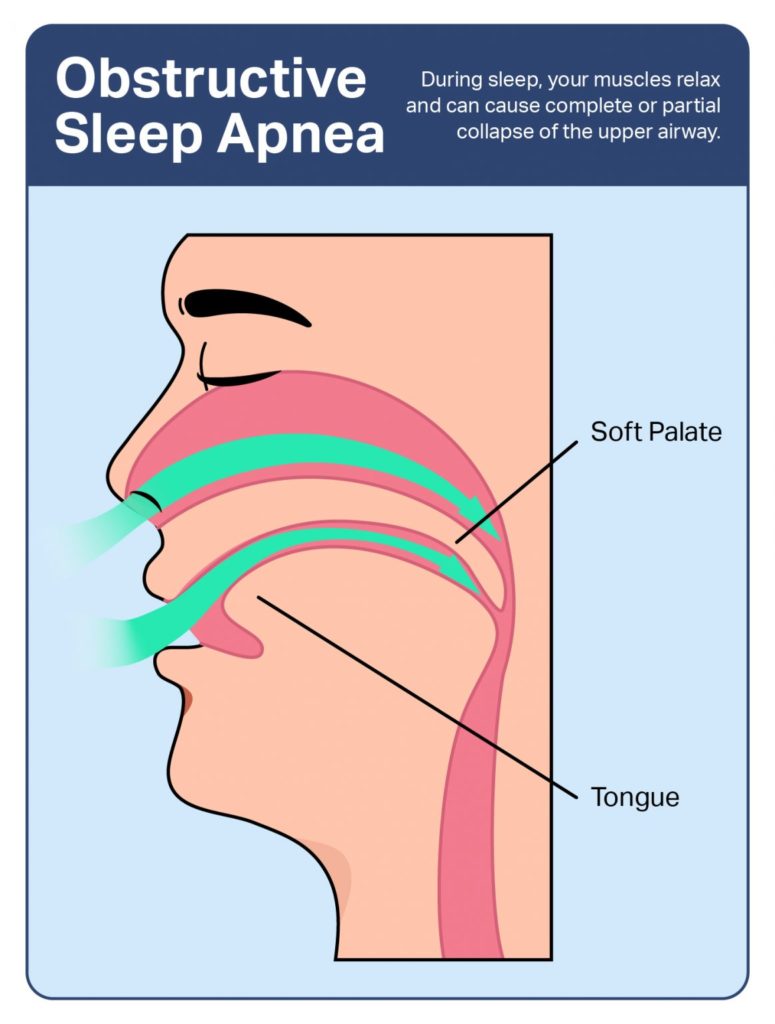
Obstructive Sleep Apnea, often abbreviated as OSA, is a sleep disorder characterized by recurring disruptions in breathing during sleep. The term "obstructive" in OSA refers to the physical obstruction or blockage of the airway, which occurs when the muscles at the back of the throat relax excessively. This leads to a decrease in airflow or even a complete cessation of breathing for brief periods, sometimes multiple times per night
Section 2: The Basics of OSA
Obstructive Sleep Apnea Occurs When
OSA occurs when the muscles responsible for maintaining an open airway during sleep become overly relaxed, causing the airway to narrow or close entirely. As a result, the flow of oxygen to the body and brain is disrupted. The brain responds to this lack of oxygen by briefly waking the individual, often just for a few seconds, in order to restore normal breathing. These awakenings are often so brief that most individuals with OSA are not even aware of them.
Section 3: Understanding the Causes of OSA
Obstructive Sleep Apnea Causes
OSA has multiple causes, and understanding them is crucial for diagnosis and effective management. Here are some of the primary causes:
1-Anatomical Factors: Individuals with a naturally narrow throat or enlarged tonsils and adenoids may be at a higher risk for OSA.
2-Excess Weight: Obesity is a major risk factor for OSA. Excess fat in the neck area can compress the airway, making it more prone to obstruction.
3-Age: OSA is more common in adults, especially in middle-aged and older individuals.
4-Family History: A family history of OSA can increase the likelihood of developing the condition.
5-Gender: Men are more likely to have OSA than women, although the risk for women increases if they are overweight.
6-Smoking and Alcohol Use: These factors can relax the throat muscles and increase the risk of OSA.
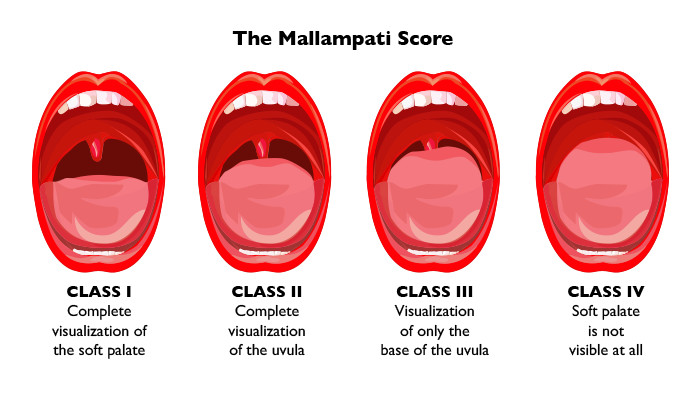
7- High Mallampati Score: What is mallampati score?The Mallampati score is a quick and simple assessment used by healthcare professionals to predict the difficulty of intubating a patient. It's based on the visibility of certain throat structures when a patient opens their mouth and sticks out their tongue.
It's typically graded from I to IV, with:
Class I: All important structures are visible, suggesting easy intubation.
Class II: The uvula and part of the tonsils are visible.
Class III: Only the soft palate and base of the uvula are visible.
Class IV: Only the hard palate is visible, indicating a potentially challenging intubation.
A higher score (III or IV) indicates a higher likelihood of a difficult intubation, which is crucial information for anesthesiologists and other medical professionals before certain procedures.
Section 4: Recognizing the Symptoms of OSA
Obstructive Sleep Apnea Symptoms
OSA can have a wide range of symptoms, and they may vary in intensity from person to person. It's essential to recognize these signs, as they can help in early diagnosis and effective management. Some common symptoms include:
1-Loud Snoring: Persistent, loud snoring is a hallmark of OSA. It is often accompanied by pauses in breathing.
2-Excessive Daytime Sleepiness: Frequent daytime drowsiness is a result of the poor quality of sleep experienced by OSA patients due to frequent awakenings.
3-Morning Headaches: Waking up with a headache is a common symptom, resulting from the low oxygen levels during the night.
4-Difficulty Concentrating: Poor sleep quality can lead to difficulty concentrating, memory problems, and decreased cognitive function.
5-Irritability: OSA patients often experience mood swings and irritability due to disrupted sleep patterns.
6-Frequent Urination at Night: OSA can lead to increased nighttime urination, which disrupts sleep.
7-Gasping or Choking: Some people with OSA may wake up abruptly with a sensation of choking or gasping for air.

Section 5: Diagnosis and Assessment
Obstructive Sleep Apnea Diagnosis
Diagnosing OSA involves a multi-step process that typically starts with a thorough medical history and physical examination. If OSA is suspected, various tests and assessments may be conducted, including:
1-Sleep Study (Polysomnography): This is the most common and comprehensive test for OSA. It is typically conducted in a sleep center and monitors various physiological parameters during sleep, including airflow, oxygen levels, heart rate, and brain activity.
2-Home Sleep Apnea Test (HSAT): In some cases, a portable device can be used for diagnosing OSA at home. It typically measures airflow, oxygen levels, and breathing patterns.
3-Epworth Sleepiness Scale: This is a self-administered questionnaire used to assess daytime sleepiness. It can help identify individuals at risk of OSA.
Section 6: The Impact of OSA on Health
Untreated OSA can have a profound impact on an individual's health and quality of life. Some of the potential consequences of OSA include:
1-Cardiovascular Issues: OSA is associated with an increased risk of high blood pressure, heart attacks, stroke, and irregular heart rhythms.
2-Daytime Impairment: The frequent interruptions in sleep can lead to impaired cognitive function, poor concentration, and a higher risk of accidents, including car accidents.
3-Metabolic Problems: OSA is linked to insulin resistance, weight gain, and an increased risk of type 2 diabetes.
4-Mood Disorders: People with OSA are more likely to experience depression and anxiety.
5-Reduced Quality of Life: OSA can lead to reduced overall quality of life due to the constant fatigue, mood disturbances, and daytime drowsiness.
Section 7: OSA Treatment Options
Obstructive Sleep Apnea Treatment
The good news is that OSA is treatable. The choice of treatment depends on the severity of the condition and individual factors. Some common treatment options include:
1-Lifestyle Modifications: For mild OSA cases, lifestyle changes such as weight loss, smoking cessation, and alcohol reduction may be sufficient to alleviate symptoms.
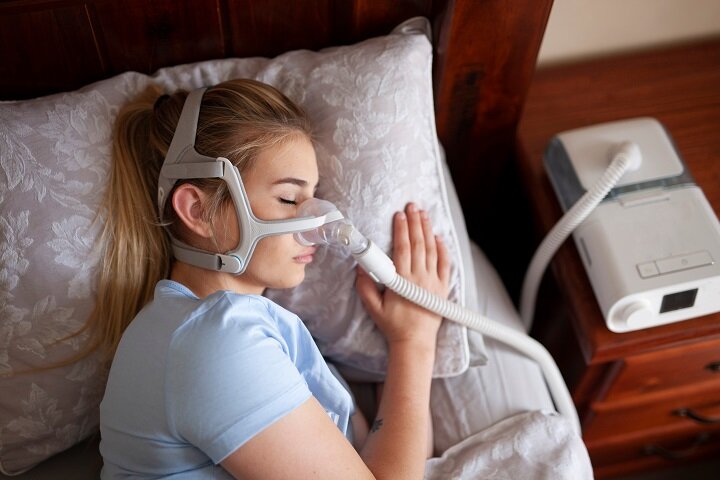
2-Continuous Positive Airway Pressure (CPAP): CPAP therapy involves using a machine that delivers a continuous stream of air through a mask, keeping the airway open during sleep.
3-Bi-level Positive Airway Pressure (BiPAP): BiPAP is similar to CPAP but adjusts the air pressure as you breathe in and out, making it more comfortable for some patients.
4-Oral Appliances: These devices are custom-made and work by repositioning the jaw and tongue to keep the airway open.
5-Surgery: Surgical procedures are typically reserved for severe cases or when other treatments have failed. They may involve removing excess tissue, repositioning the jaw, or implanting nerve stimulation devices.
Section 8: Living with OSA
Managing OSA is an ongoing process. It's essential for individuals with OSA to work closely with healthcare professionals to monitor their condition and adjust treatments as needed. Additionally, making healthy lifestyle choices, such as maintaining a healthy weight, can greatly improve the quality of life for OSA patients.
Section 9: Conclusion
In conclusion, Obstructive Sleep Apnea is a prevalent sleep disorder that can have significant consequences on one's health and well-being. Understanding the causes, recognizing the symptoms, and seeking timely diagnosis and treatment are critical steps in managing OSA. With the right approach and guidance from healthcare professionals, individuals with OSA can regain quality sleep and improve their overall quality of life. If you suspect you or a loved one may be suffering from OSA, it's essential to seek medical advice and explore the available treatment options. A good night's sleep is crucial for our physical and mental well-being, and addressing OSA is a significant step toward achieving it.

Author
Mehmet Eren Aksu, MD.
Mehmet Eren Aksu is a medical doctor at Ege University in Turkey. He has graduated from the Faculty Of Medicine at Ege University. His purpose in establishing the Healthy Bodies 101 blog and starting to write here is to inform the public about health and medicine from the right source and to convey his expertise to everyday people.
Subscribe now.
Sign up for our newsletter to get the most interesting stories of the day straight to your inbox before everyone else
ABOUT
Join us as we explore the path to well-being, one step at a time. Your journey to a healthier body starts here."