
5 Best Swimming Speed Workouts | FULL GUIDE
Swimming is a sport that requires a unique blend of technique, strength, and speed. While perfecting your stroke technique is essential, increasing your swimming speed is equally important, whether you're a competitive swimmer or simply looking to improve your fitness in the pool. In this article, we'll dive into the world of speed workouts for swimmers and explore the five best training routines to help you become a faster and more efficient swimmer.
Speed in swimming is not just about raw power; it's about maximizing your propulsion while minimizing resistance in the water. It's about moving through the water with grace and strength, and it's a skill that can be honed through focused training.
If you've ever watched elite swimmers in action, you'll notice their ability to glide effortlessly through the water, almost like they're defying physics. Achieving this level of speed and fluidity requires a combination of conditioning, technique work, and mental focus.
In this article, we'll take you through a series of workouts designed to increase your swimming speed. Whether you're a beginner looking to build a solid foundation or an experienced swimmer aiming to shave precious seconds off your lap times, these workouts have something to offer for everyone.
So, put on your swim cap, grab your goggles, and get ready to take your swimming to the next level. The path to faster and more enjoyable swimming begins with these carefully crafted workouts. Let's get started.
Warm-Up for Speed Swimming
Before we dive into the heart-pounding speed workouts that will help you become a faster swimmer, it's crucial to emphasize the importance of a proper warm-up. A good warm-up routine prepares your body for the intense physical demands of high-speed swimming and reduces the risk of injury.
Why Warm-Up Matters
Warming up serves several vital purposes for swimmers:
Increased Blood Flow: A warm-up raises your core body temperature, dilates blood vessels, and increases blood flow to your muscles. This, in turn, enhances muscle flexibility and efficiency.
Mental Preparation: A warm-up provides a few moments to mentally prepare for the workout ahead. It's a time to focus and set your intentions for your swim, helping you to stay motivated and engaged during the session.
Injury Prevention: When you start your workout with cold and stiff muscles, you're more susceptible to muscle strains and injuries. Warming up reduces the risk of such injuries.
Components of a Good Warm-Up
An effective swimming warm-up typically includes the following components:
1-Light Cardio: Begin with a few minutes of light cardiovascular exercise to raise your heart rate. This can be as simple as jogging in place or jumping jacks if you're at a pool with a deck area. The goal is to break a light sweat and get your heart rate up.
2-Dynamic Stretching: Dynamic stretching involves moving your muscles and joints through their full range of motion. Incorporate arm circles, leg swings, and hip rotations to promote flexibility.
3-Drills: Include specific swim drills in your warm-up to reinforce proper technique. For example, focus on streamlining drills or stroke-specific drills like catch-up drills for freestyle or one-arm drills for backstroke.
4-Gradual Intensity Increase: Progressively increase the intensity of your warm-up. Start with easy, slow-paced movements and gradually transition into faster and more powerful motions.
5-Breathing Exercises: Incorporate controlled breathing exercises to help you establish a rhythm and prepare for the controlled breathing needed during high-intensity swims.
The exact warm-up routine may vary depending on your fitness level and the workout you have planned. For instance, a competitive swimmer preparing for a sprint workout might have a more intensive warm-up compared to a casual swimmer focusing on improving technique.
A well-executed warm-up sets the stage for productive speed workouts by reducing the risk of injury and allowing you to perform at your best. So, before you hit the pool for a speed-focused training session, make sure you dedicate the time and attention to an appropriate warm-up. Your body will thank you for it.
Workout 1: Sprint Sets For Faster Swimming
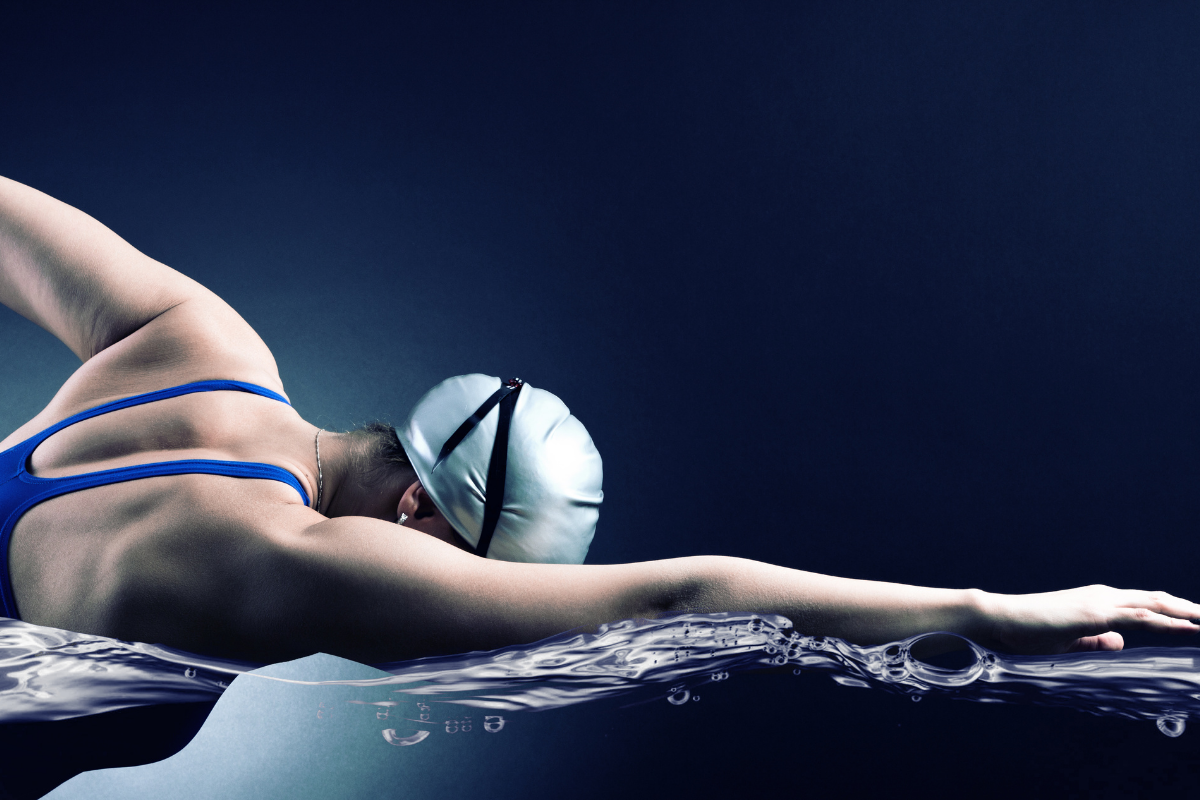
Now that we're properly warmed up, it's time to delve into the first of our five best swimming speed workouts: Sprint Sets. Sprint sets are designed to push your speed limits, improve your anaerobic capacity, and help you develop explosive power in the water. Whether you're a competitive swimmer looking to shave seconds off your race times or a fitness enthusiast striving for a quicker lap, sprint sets can be a valuable addition to your training regimen.
Why Sprint Sets Work
Sprint sets are effective for increasing swimming speed for several reasons:
1-High Intensity: Sprinting in the pool demands maximal effort and pushes your cardiovascular system to its limits. This intensity helps to increase your heart rate and build cardiovascular endurance.
2-Improved Technique: Swimming at top speed forces you to focus on technique and form. To be fast, you must minimize drag and maximize propulsion, which can lead to more efficient swimming overall.
3-Anaerobic Conditioning: Sprint sets are anaerobic in nature, meaning they target the energy systems that don't rely on oxygen. This type of training can enhance your ability to sustain high-intensity efforts.
Sample Sprint Set Workout
Here's a sample sprint set that you can incorporate into your training:
1-Warm-up: Start with a 200 to 400-meter warm-up, focusing on freestyle or your preferred stroke.
2-Main Set:4x50-Meter Sprints: Swim each 50 meters at an all-out sprint. Rest for 20 to 30 seconds between each sprint. 3-4x25-Meter Sprints: Sprint 25 meters, rest for 10-15 seconds, and repeat.
4-Cool-Down: Finish with an easy 200-meter cool-down swim to help your body recover.
Tips for Sprint Sets
1-Focus on Technique: Concentrate on maintaining good technique even during sprints. Avoid sacrificing form for speed.
2-Breathing: Practice controlled, rhythmic breathing to maximize your oxygen intake while sprinting.
3-Pacing: Find a pace that allows you to sustain your speed throughout the entire sprint set.
4-Gradual Progression: As you become more comfortable with sprint sets, gradually increase the number of repetitions or the distance of the sprints.
Sprint sets are a valuable tool in your quest to become a faster swimmer, but they should be incorporated in moderation to avoid overtraining or burnout. Ensure you have an adequate rest and recovery period between intense sprint workouts.
Remember, improving your swimming speed is a journey, and consistency is key. Sprint sets should be part of a well-rounded training plan that includes other speed-enhancing workouts and technical drills. In the next section, we'll explore another essential speed workout: Interval Training.
Workout 2: Interval Training for Adding Speed to Your Swimming
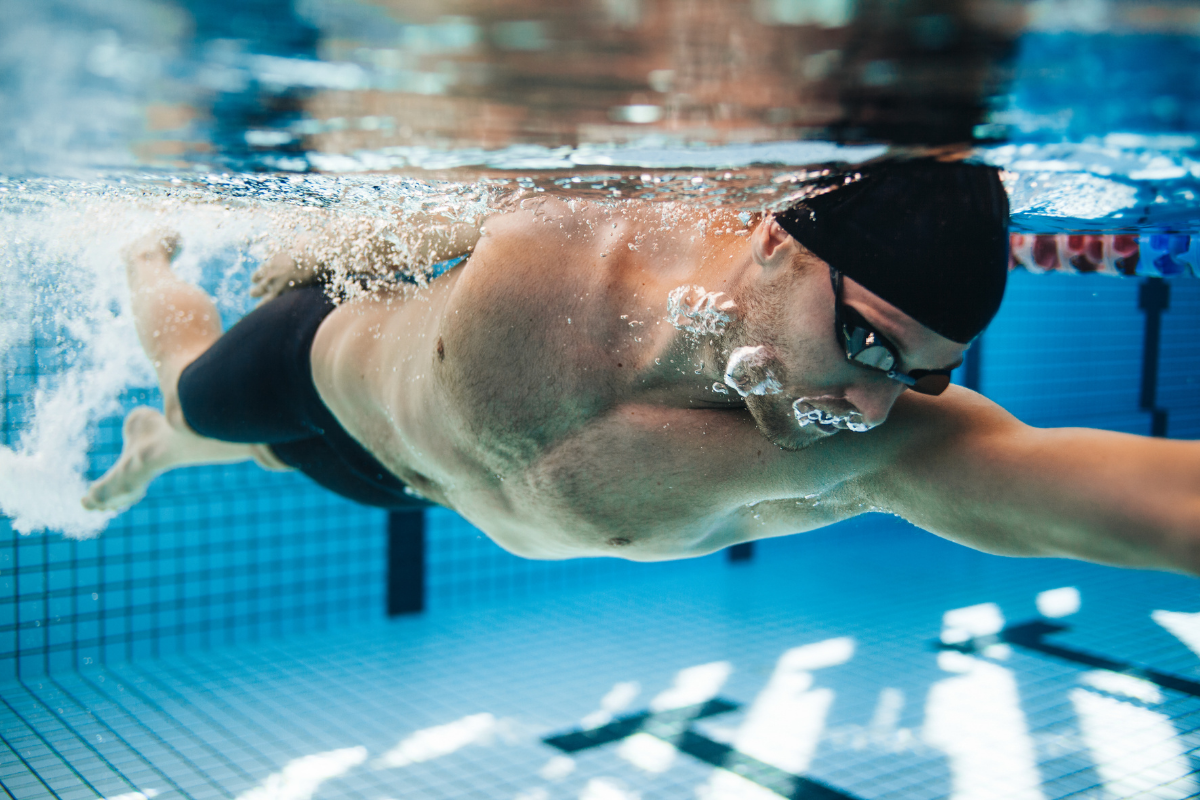
In the pursuit of swimming speed, interval training is a powerful and versatile workout method. Interval training allows swimmers to focus on maintaining high speeds and challenging their cardiovascular fitness while incorporating structured rest periods. This workout is ideal for those looking to increase both their endurance and speed, making it an essential component of a well-rounded training plan.
The Science Behind Interval Training
Interval training involves alternating between high-intensity efforts and rest or low-intensity periods. This approach is rooted in the principle of high-intensity interval training (HIIT) and offers various benefits for swimmers:
1-Improved Anaerobic Capacity: Interval training helps develop your anaerobic capacity, which is crucial for short, intense bursts of speed.
2-Cardiovascular Conditioning: The structured intensity and recovery periods enhance cardiovascular fitness, enabling your heart and lungs to work more efficiently.
3-Efficient Time Use: Interval training allows you to achieve a high-quality workout in a relatively short amount of time.
Sample Interval Training Workout
Here's a sample interval training workout to boost your swimming speed:
1-Warm-up: Begin with a 400-meter warm-up swim, including a mix of strokes.
2-Main Set:4x100-Meter Intervals: Swim every 100 meters at a pace that pushes your limits, aiming for consistent speed. Rest for 20 seconds between intervals. 3-4x50-Meter Intervals: Swim each 50 meters at a sprint pace, resting for 15 seconds between intervals. 4-4x25-Meter Sprints: Swim 25 meters at an all-out sprint, resting for 10 seconds between intervals.
Cool-Down: Conclude with an easy 200-meter cool-down swim to help your body recover.
Interval Training Tips
1-Maintain Consistency: Focus on swimming at a consistent speed during each interval to maximize the benefits.
2-Efficient Rest: Use your rest periods wisely. Focus on controlled breathing and mental preparation for the next interval.
3-Progression: Over time, increase the number of repetitions or the distance of the intervals as your fitness improves.
4-Stroke Variation: Incorporate intervals for different strokes to develop overall speed and technique.
Interval training can be tailored to your specific goals, whether you're a sprinter looking to improve your 50-meter times or a distance swimmer aiming for more efficient pacing. By incorporating structured intervals into your training regimen, you'll develop both the endurance and speed necessary to take your swimming to the next level.
In the next section, we'll explore another vital aspect of speed training: kick drills.
Workout 3: Kick Drills
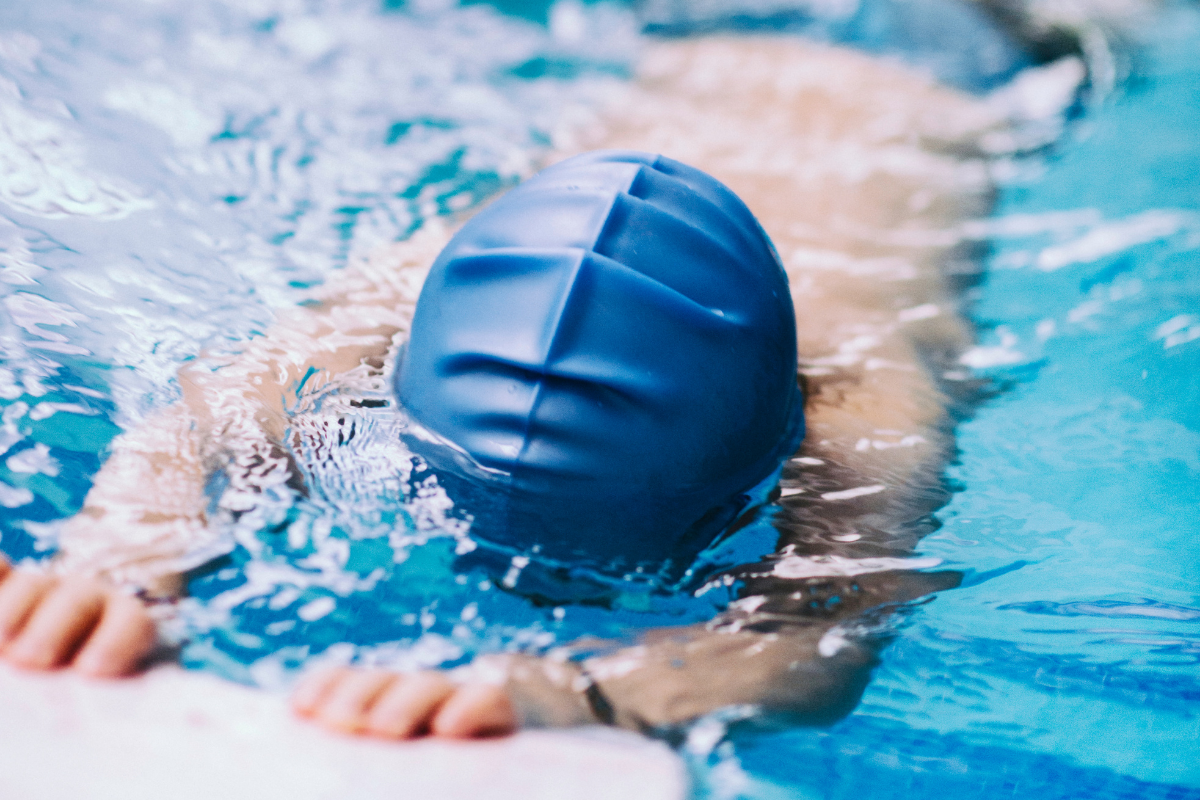
Speed in swimming isn't solely dependent on the arms; the legs play a significant role in propulsion. Kick drills are essential for building leg strength, improving your kick technique, and ultimately enhancing your swimming speed. By focusing on your lower body, you'll develop a more powerful and efficient kick that can significantly impact your overall swimming performance.
The Importance of Kick Drills
Kick drills offer several benefits when it comes to swimming speed:
1-Leg Strength: Kick drills help build strength in the muscles of your legs, particularly the quadriceps, hamstrings, and calves.
2-Increased Speed: A strong and coordinated kick contributes to better propulsion, making you move through the water more quickly.
3-Balance and Body Position: Effective kicking also improves body balance and streamlining, reducing resistance in the water.
Sample Kick Drill Workout
Here's a sample kick drill workout to incorporate into your training routine:
1-Warm-up: Begin with a 300-meter warm-up, including easy swimming and a mix of strokes.
2-Main Set:4x50-Meter Kicking Drills: For every 50 meters, focus on a specific kicking drill such as a flutter kick, dolphin kick, or breaststroke kick. Use a kickboard or streamline position to isolate your legs. Rest for 15-20 seconds between drills. 3-4x25-Meter Sprints with Kick: Perform four 25-meter sprints focusing on your kicking speed. Rest for 15 seconds between sprints.
Cool-Down: Conclude with an easy 200-meter cool-down swim to aid recovery.
Kick Drill Tips
1-Technique Emphasis: Pay close attention to your kicking technique during kick drills. Ensure you are engaging the right muscles and using a consistent, powerful kick.
2-Ankle Flexibility: Work on ankle flexibility to maximize the effectiveness of your kicking motion.
3-Variety: Incorporate various kicking drills to work on different types of kicks, including flutter, dolphin, and breaststroke kicks.
4-Balance and Streamlining: Focus on maintaining a streamlined body position during your kicks to reduce drag.
Kick drills can be especially beneficial for swimmers who find that their leg strength lags behind their upper body strength. Incorporating them into your training routine will help you build a more balanced and powerful stroke, ultimately leading to increased swimming speed.
In the next section, we'll explore another key aspect of speed training: stroke drills.
Workout 4: Stroke Drills
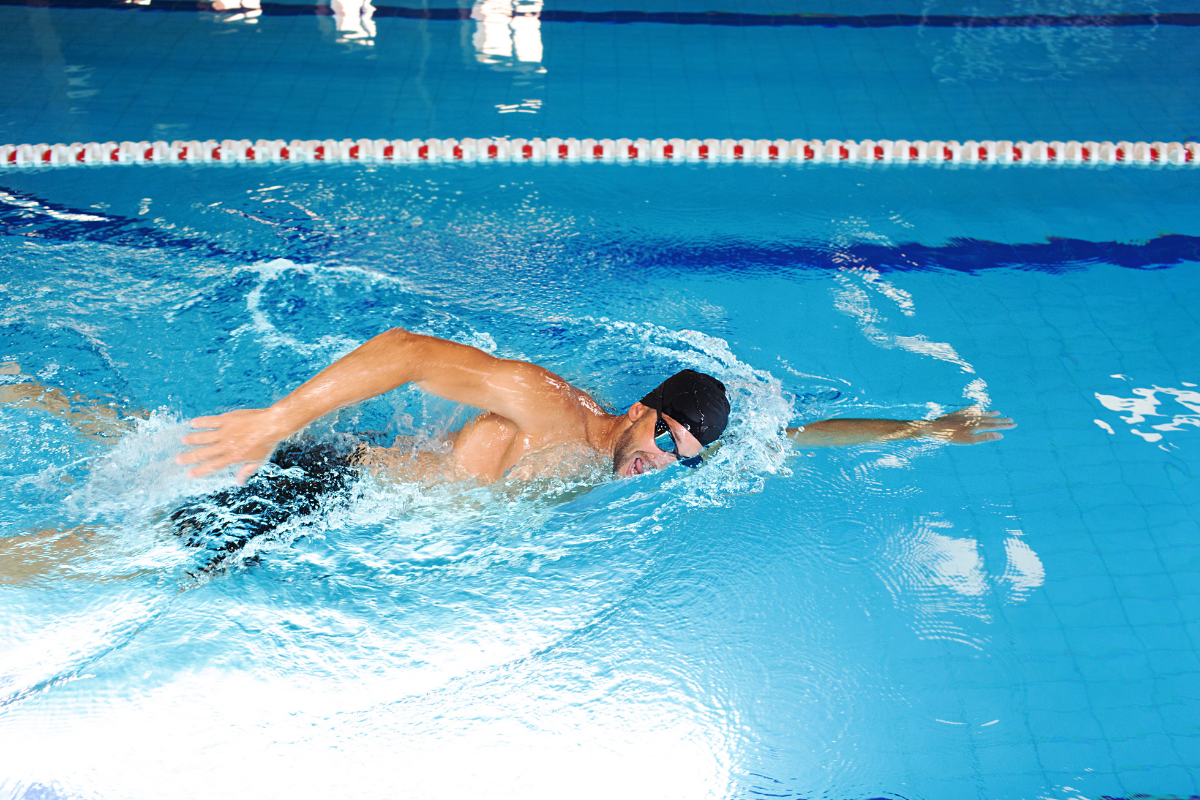
Stroke drills are a fundamental component of speed training for swimmers, as they concentrate on refining your stroke technique to make your movements in the water more efficient. A major contributor to swimming speed is the ability to minimize resistance and maximize propulsion. These drills allow you to fine-tune your strokes, leading to a smoother and quicker swim.
The Significance of Stroke Drills
Stroke drills offer various advantages in your pursuit of swimming speed:
1-Technique Improvement: Stroke drills focus on perfecting specific aspects of your strokes, such as arm placement, hand entry, and catch phase, which, when done correctly, increase efficiency and speed.
2-Muscle Memory: Consistent practice of proper stroke technique through drills helps build muscle memory, making good form second nature.
3-Reduced Drag: Proper technique minimizes resistance in the water, allowing you to move through it more effortlessly and with greater speed.
Sample Stroke Drill Workout
Here's a sample stroke drill workout that targets your freestyle (front crawl) stroke:
1-Warm-up: Start with a 400-meter warm-up swim, including a mix of strokes.
2-Main Set:4x50-Meter Catch-Up Drill: In this drill, your hands never touch; one hand starts the pull when the other finishes. Focus on your arm's position and streamline. 3-4x50-Meter Finger Drag Drill: Swim with your fingertips skimming the water's surface to emphasize proper hand entry and minimize resistance. 4-4x50-Meter Fist Drill: Make a fist with your hand while swimming to improve your forearm engagement and feel for the water.
Cool-Down: Conclude with an easy 200-meter cool-down swim to help your body recover.
Stroke Drill Tips
1-Concentration: Pay close attention to your body positioning and arm movements during stroke drills.
2-Gradual Progression: Gradually increase the distance or the number of repetitions as your technique improves.
3-Stroke Variation: Incorporate drills for different strokes to enhance overall technique and speed.
Stroke drills can be tailored to any stroke you're interested in improving, be it freestyle, backstroke, breaststroke, or butterfly. To unlock your true swimming speed potential, devote time to regular practice and refinement of your stroke technique. These drills are an essential part of your journey to becoming a faster and more efficient swimmer.
In the next section, we'll explore another critical aspect of speed training: resistance training.
Workout 5: Resistance Training
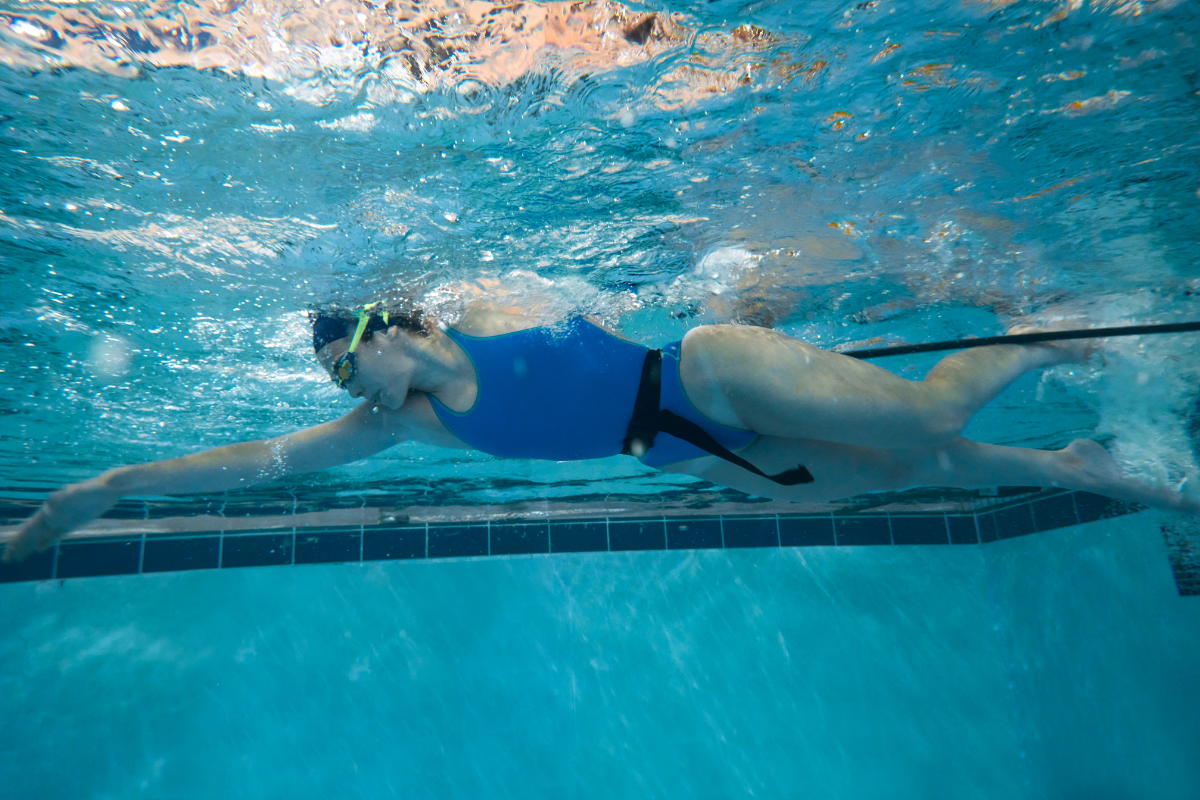
To achieve greater swimming speed, it's crucial to work on building strength and power in the water. Resistance training, which involves using tools and techniques to add resistance to your swim, can be a game-changer in your quest for enhanced speed and performance. It challenges your muscles and refines your technique, making you a more efficient and powerful swimmer.
Why Resistance Training Matters
Resistance training provides several key benefits for swimmers:
1-Increased Strength: The added resistance forces your muscles to work harder, leading to improved overall strength.
2-Enhanced Propulsion: Resistance training helps you develop a stronger pull and kick, translating to more powerful strokes and increased speed.
3-Stroke Refinement: Using resistance tools, such as paddles and bands, encourages better form and stroke mechanics.
Sample Resistance Training Workout
Here's a sample resistance training workout to boost your swimming speed:
1-Warm-up: Begin with a 300-meter warm-up swim, including easy swimming and a mix of strokes.
2-Main Set:4x100-Meter Pull with Paddles: Swim 100 meters using hand paddles to increase resistance. Focus on a strong pull. Rest for 15-20 seconds between sets. 3-4x50-Meter Band-Assisted Sprints: Attach a resistance band to your waist and swim four 50-meter sprints. The band adds resistance to your forward motion, increasing the challenge.
Cool-Down: Conclude with an easy 200-meter cool-down swim to aid recovery.
Resistance Training Tips
1-Proper Form: Maintain proper form during resistance training to ensure you're working the right muscle groups.
2-Progression: Gradually increase the resistance or distance as your strength improves.
3-Variation: Experiment with different resistance tools like paddles, bands, or even drag suits to work on various aspects of your stroke.
4-Regular Practice: Include resistance training in your routine regularly to see lasting improvements in strength and speed.
Resistance training is a valuable component of a well-rounded speed training program, helping you develop the strength and technique needed to excel in the water. By incorporating these workouts into your regimen, you can make significant strides in your quest to become a faster and more efficient swimmer.
In the next section, we'll discuss the importance of cooling down after these intense speed workouts.
The Benefits of a Cool-Down in Swimming
After completing an intense speed training session, it's essential to include a proper cool-down routine in your swimming regimen. A cool-down helps your body recover, reduces the risk of muscle soreness and injury, and gradually returns your heart rate to its resting state. Neglecting this phase can result in stiffness and discomfort, which can hinder your overall progress.
The Benefits of a Cool-Down
Cooling down offers numerous advantages for swimmers:
1-Muscle Recovery: A cool-down allows your muscles to gradually return to their normal state, preventing muscle soreness and stiffness.
2-Heart Rate Regulation: It helps regulate your heart rate and blood pressure, preventing post-workout dizziness or fainting.
3-Relaxation: The cool-down phase can be a time for mental relaxation and reflection on your workout, promoting mental recovery as well.
Sample Cool-Down Routine
Here's a simple and effective cool-down routine to include after your speed training workouts:
1-Easy Swimming: Swim 200 to 400 meters at a slow and relaxed pace. Focus on smooth, even strokes and controlled breathing.
2-Stretching: Perform a series of gentle stretching exercises, focusing on the major muscle groups you used during your workout. Include stretches for your shoulders, arms, legs, and back.
3-Hydration: Rehydrate by sipping water or an electrolyte drink to replace fluids lost during your training session.
Cool-Down Tips
1-Stretching: Pay attention to your stretching technique and avoid overstretching. Hold each stretch for 15-30 seconds.
2-Breathing: Use this time to focus on controlled, deep breathing, which helps relax the body and reduce heart rate.
3-Hydration: Proper hydration is essential for recovery. Drinking water helps replenish lost fluids and nutrients.
4-Mental Relaxation: Use the cool-down period to mentally unwind and appreciate your achievements during the workout.
Cooling down is not a step to be skipped, as it plays a crucial role in your overall training. By allowing your body and mind to recover gradually, you ensure that you'll be in optimal condition for your next training session and can maintain a consistent and injury-free training routine.
Safety Precautions For Those Who Want to Apply these Workouts
In the pursuit of swimming speed, it's vital to prioritize safety. The water environment, coupled with intense training, can pose certain risks, and it's crucial to be aware of safety precautions to prevent accidents and injuries. Here, we'll explore some essential safety measures to ensure that your speed training is not only effective but also safe.
Why Safety Matters
Safety is paramount in swimming for several reasons:
1-Preventing Injuries: Accidents in the pool, such as collisions or improper dives, can lead to injuries. Proper safety measures reduce the risk of these incidents.
2-Overtraining Avoidance: Overtraining without adequate rest and recovery can lead to burnout and injury. Safety precautions include scheduling rest days.
3-Health Monitoring: Ensuring your health is in optimal condition for training is crucial. Safety measures include listening to your body and recognizing signs of fatigue or illness.
Key Safety Precautions
1-Learn and Follow Pool Rules: Adhere to pool regulations, including diving, lane etiquette, and general safety rules. This reduces the risk of accidents.
2-Stay Hydrated: Dehydration can affect performance and lead to health issues. Drink water regularly to stay well-hydrated during training.
3-Warm-Up and Cool-Down: Always include proper warm-up and cool-down routines in your training to prevent muscle strain and injury.
4-Listen to Your Body: Pay attention to your body's signals. If you're fatigued, unwell, or in pain, it's essential to modify or skip your training for the day.
5-Proper Technique: Emphasize correct swimming technique to minimize the risk of injuries associated with poor form.
6-Rest and Recovery: Allow your body sufficient time to recover between intense training sessions. Overtraining can lead to injuries and burnout.
7-Seek Professional Guidance: If you're new to speed training or have any doubts about your health, consider consulting a swimming coach or medical professional for guidance.
Speed training is a journey that should be both rewarding and safe. By adhering to these safety precautions, you can ensure that your training remains injury-free and promotes your long-term development as a faster and more efficient swimmer.

Author
Mehmet Eren Aksu, MD.
Mehmet Eren Aksu is a medical doctor at Ege University in Turkey. He has graduated from the Faculty Of Medicine at Ege University. His purpose in establishing the Healthy Bodies 101 blog and starting to write here is to inform the public about health and medicine from the right source and to convey his expertise to everyday people.
Subscribe now.
Sign up for our newsletter to get the most interesting stories of the day straight to your inbox before everyone else
ABOUT
Join us as we explore the path to well-being, one step at a time. Your journey to a healthier body starts here."