
5 Effective Ways to Achieve Weight Loss After Hiatal Hernia Surgery
Before we move on the post check out this special product!
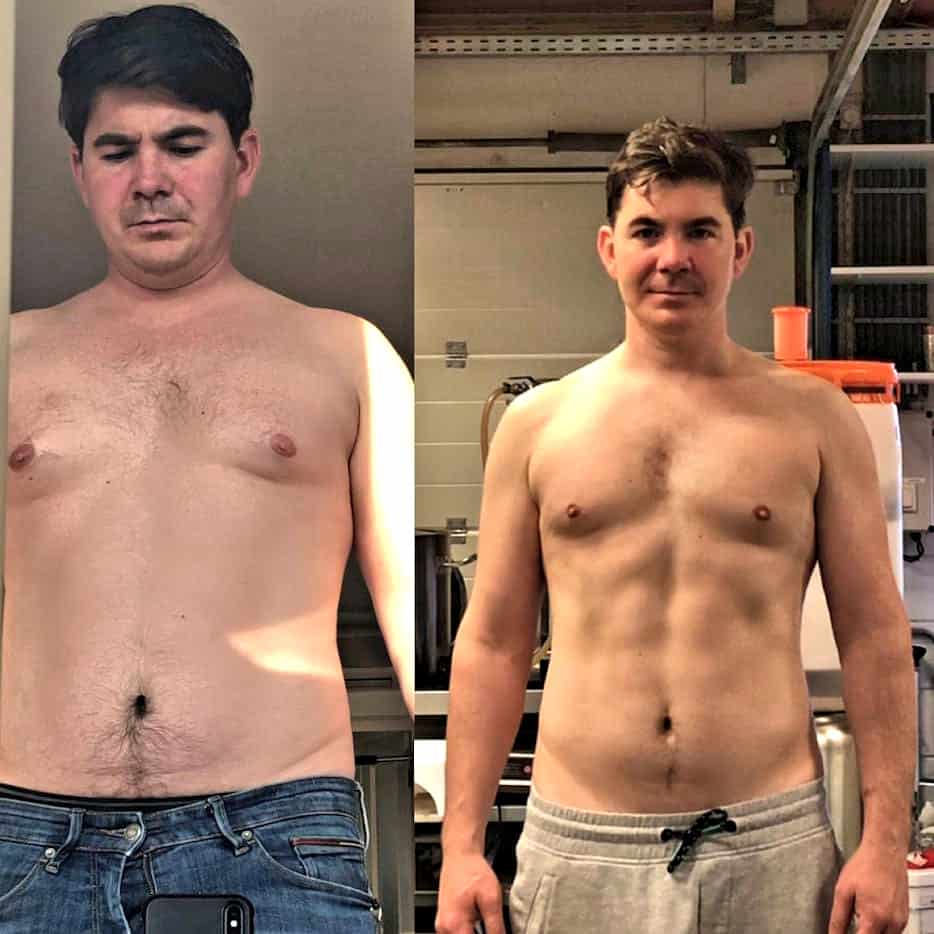
If you've recently undergone hiatal hernia surgery and are looking to shed those extra pounds, you've come to the right place. In this article, we will explore five effective ways to achieve weight loss after hiatal hernia surgery.
Maintaining a healthy weight post-surgery is crucial as excess weight can contribute to a recurrence of the hernia. By following these proven strategies, you can not only manage your weight but also support a faster recovery and reduce the risk of complications.
From adopting a nutrient-rich diet to incorporating regular exercise into your routine, we'll delve into the key actions you need to take to kickstart your weight loss journey. Additionally, we'll share expert tips and advice on mindfulness, portion control, and staying motivated throughout the process.
It's important to note that while weight loss can be challenging, it is achievable, especially with the right guidance and determination. So, let's dive in and discover how you can effectively achieve weight loss after hiatal hernia surgery.
Understanding hiatal hernia surgery and its impact on weight loss
Hiatal hernia surgery is a procedure that aims to repair the hiatus, a small opening in the diaphragm through which the esophagus passes. This surgery is often performed to alleviate symptoms such as acid reflux, chest pain, and difficulty swallowing. While the primary goal of hiatal hernia surgery is to address these symptoms, it can also have a significant impact on weight loss.
During the surgery, the surgeon may tighten the hiatus and reinforce the weakened muscles to prevent the hernia from recurring. This leads to a restriction in the capacity of the stomach, which can result in decreased appetite and a sensation of feeling full faster. As a result, many individuals experience weight loss after hiatal hernia surgery.
However, it's essential to approach weight loss after hiatal hernia surgery with caution. Rapid or excessive weight loss can put strain on the surgical site and potentially lead to complications. Therefore, it's crucial to adopt a balanced and sustainable approach to achieve weight loss while supporting your recovery.
Importance of weight loss after hiatal hernia surgery
Maintaining a healthy weight after hiatal hernia surgery is vital for several reasons. Firstly, excess weight can contribute to the recurrence of the hernia. The added pressure on the abdomen can strain the repaired hiatus, leading to a potential reoccurrence of the hernia. By achieving and maintaining a healthy weight, you can reduce this risk significantly.
Secondly, weight loss can support a faster recovery and minimize the risk of complications. Excess weight puts additional strain on the surgical site, potentially delaying healing and increasing the chances of infection. By shedding those extra pounds, you can optimize your body's healing process and reduce the risk of post-operative complications.
Furthermore, weight loss can improve overall health and quality of life. Obesity is associated with various health conditions, including heart disease, diabetes, and joint problems. Losing weight can reduce the risk of these conditions and improve your overall well-being.
Dietary changes for weight loss after hiatal hernia surgery
Adopting a nutrient-rich diet is crucial for effective weight loss after hiatal hernia surgery. Here are some dietary changes you should consider:
1. Focus on Whole Foods: Fill your plate with whole, unprocessed foods such as fruits, vegetables, lean proteins, whole grains, and healthy fats. These foods are rich in essential nutrients and fiber, which can keep you satiated for longer and support weight loss.
2. Practice Portion Control: Pay attention to portion sizes and avoid overeating. Use smaller plates, measure your food, and eat slowly to give your body time to register fullness.
3. Stay Hydrated: Drink plenty of water throughout the day to stay hydrated. Water can help curb hunger, support digestion, and promote overall health.
4. Reduce Added Sugars and Refined Carbohydrates: Limit your intake of sugary beverages, processed snacks, and refined grains. These foods can contribute to weight gain and hinder your weight loss efforts.
5. Listen to Your Body: Practice mindful eating by listening to your body's hunger and fullness cues. Eat when you're hungry, stop when you're satisfied, and avoid emotional eating.
Incorporate these dietary changes gradually into your routine, and consult with a registered dietitian for personalized guidance.
Incorporating exercise for effective weight loss after hiatal hernia surgery
Exercise plays a crucial role in achieving weight loss after hiatal hernia surgery. Here are some tips to help you incorporate exercise into your routine:
1. Consult Your Surgeon: Before starting any exercise program, consult your surgeon to ensure you're cleared for physical activity. They can provide specific recommendations based on your surgery and individual circumstances.
2. Start Slow: Begin with low-impact activities such as walking, swimming, or cycling. Gradually increase the duration and intensity of your workouts as your fitness level improves.
3. Include Strength Training: Incorporate strength training exercises to build lean muscle mass. Muscle burns more calories than fat, even at rest, which can enhance your weight loss efforts.
4. Find Activities You Enjoy: Choose activities that you genuinely enjoy to make exercise more enjoyable and sustainable. Whether it's dancing, hiking, or playing a sport, find something that keeps you motivated and excited to move.
5. Stay Consistent: Aim for at least 150 minutes of moderate-intensity aerobic activity or 75 minutes of vigorous-intensity aerobic activity per week. Additionally, include strength training exercises at least twice a week.
Remember to listen to your body and make adjustments as needed. If you experience any pain or discomfort during exercise, stop and consult your healthcare provider.
Lifestyle modifications for sustainable weight loss after hiatal hernia surgery
Achieving sustainable weight loss after hiatal hernia surgery involves making lasting lifestyle modifications. Here are some tips to help you maintain your weight loss:
1. Practice Mindfulness: Pay attention to your eating habits and emotions around food. Practice mindful eating by savoring each bite, eating slowly, and being fully present during meals.
2. Manage Stress: Stress can contribute to overeating and hinder weight loss progress. Find healthy ways to manage stress, such as practicing yoga, meditation, or engaging in hobbies you enjoy.
3. Get Adequate Sleep: Aim for 7-9 hours of quality sleep each night. Sufficient sleep can support weight loss by regulating hunger hormones and optimizing overall health.
4. Build Supportive Relationships: Surround yourself with a supportive network of friends and family who encourage your weight loss journey. Consider joining a support group or working with a health coach to stay motivated and accountable.
5. Set Realistic Goals: Set achievable, realistic goals that align with your individual circumstances. Break your weight loss journey into smaller milestones and celebrate each achievement along the way.
Remember, sustainable weight loss takes time and effort. Be patient with yourself and focus on making gradual, positive changes that you can maintain long-term.
Tracking progress and setting realistic goals for weight loss after hiatal hernia surgery
Tracking your progress and setting realistic goals are essential for effective weight loss after hiatal hernia surgery.
Here are some strategies to help you stay on track:
1. Keep a Food Journal: Write down everything you eat and drink to increase awareness of your eating habits. This can help you identify areas for improvement and make necessary adjustments.
2. Use a Fitness Tracker: Monitor your physical activity and set daily or weekly goals using a fitness tracker. This can help you stay motivated and track your progress over time.
3. Measure Body Metrics: Track your weight, measurements, and body fat percentage regularly. However, keep in mind that the scale is not the sole indicator of progress. Focus on how you feel and how your clothes fit as well.
4. Celebrate Non-Scale Victories: Acknowledge and celebrate non-scale victories such as increased energy, improved sleep, or fitting into smaller clothing sizes. These victories are just as important as the number on the scale.
5. Reassess and Adjust: Regularly reassess your goals and make necessary adjustments. As you progress on your weight loss journey, you may need to modify your strategies or set new goals to continue moving forward.
Remember that weight loss is a personal journey, and everyone's progress may vary. Stay focused on your own goals and celebrate the progress you make along the way.
Common challenges and how to overcome them in weight loss after hiatal hernia surgery
Weight loss after hiatal hernia surgery can come with its fair share of challenges. Here are some common challenges you may encounter and strategies to overcome them:
1. Plateaus: It's common to experience weight loss plateaus, where your progress slows down or comes to a halt. To overcome plateaus, reassess your diet and exercise routine, adjust your calorie intake, or try incorporating new activities to challenge your body.
2. Emotional Eating: Emotional eating can sabotage your weight loss efforts. Find alternative ways to cope with emotions, such as journaling, talking to a therapist, or engaging in activities that bring you joy.
3. Lack of Motivation: Staying motivated can be challenging, especially when progress slows down. Find sources of inspiration, set short-term goals, reward yourself for milestones achieved, and lean on your support system for encouragement.
4. Social Situations: Social gatherings and events can be challenging when trying to stick to a healthy eating plan. Plan ahead, bring a healthy dish to share, or eat a small snack before attending to avoid overindulging.
5. Lack of Time: Busy schedules can make it difficult to prioritize healthy habits. Plan your meals in advance, batch cook, and schedule time for physical activity to ensure you're making time for your health.
Remember, overcoming challenges takes time and perseverance. Be kind to yourself and focus on finding solutions that work for you.
Support systems and resources for weight loss after hiatal hernia surgery
Building a strong support system and utilizing available resources can greatly enhance your weight loss journey after hiatal hernia surgery. Here are some options to consider:
1. Healthcare Professionals: Consult with your surgeon, registered dietitian, or a weight loss specialist for personalized guidance and support.
2. Support Groups: Joining a support group can provide you with a community of individuals who understand your journey and can offer advice and encouragement.
3. Online Communities: Participate in online forums or social media groups focused on weight loss after hiatal hernia surgery. These platforms can provide valuable insights, success stories, and a sense of camaraderie.
4. Fitness Apps: Utilize fitness apps that offer workout routines, tracking features, and healthy recipe ideas. These apps can help you stay organized and motivated on your weight loss journey.
5. Educational Resources: Read books, watch documentaries, or listen to podcasts related to weight loss, nutrition, and mindful eating. Expand your knowledge to empower yourself with the tools necessary for success.
Remember, support systems and resources are meant to complement your efforts, but ultimately, the success of your weight loss journey lies within you.
Potential risks and complications of weight loss after hiatal hernia surgery
While weight loss after hiatal hernia surgery is generally safe and beneficial, it's essential to be aware of potential risks and complications. Here are some considerations:
1. Nutritional Deficiencies: Rapid weight loss can increase the risk of nutrient deficiencies. Work with a registered dietitian to ensure you're meeting your nutritional needs through a well-balanced diet or appropriate supplementation.
2. Muscle Loss: Inadequate protein intake or excessive calorie restriction can lead to muscle loss. Focus on consuming sufficient protein and engaging in strength training exercises to preserve lean muscle mass.
3. Gastrointestinal Symptoms: Some individuals may experience gastrointestinal symptoms such as bloating, constipation, or diarrhea during weight loss. Stay hydrated, consume fiber-rich foods, and consult your healthcare provider if symptoms persist.
4. Hernia Recurrence: While weight loss can reduce the risk of hernia recurrence, it's important to follow your surgeon's post-operative instructions and maintain a healthy weight to minimize this risk further.
5. Psychological Impact: Weight loss can have a significant psychological impact, including body image concerns, anxiety, or disordered eating patterns. Seek professional help if you're struggling with these issues.
It's crucial to have open and honest communication with your healthcare provider throughout your weight loss journey to address any concerns or potential complications.
Conclusion: Empowering yourself for successful weight loss after hiatal hernia surgery
Weight loss after hiatal hernia surgery is not only achievable but also crucial for maintaining a healthy weight and reducing the risk of hernia recurrence. By adopting a nutrient-rich diet, incorporating regular exercise, and making sustainable lifestyle modifications, you can effectively achieve weight loss while supporting your recovery.
Remember to track your progress, set realistic goals, and overcome common challenges with determination and perseverance. Build a support system and utilize available resources to enhance your weight loss journey. And most importantly, prioritize your health and well-being throughout the process.
By empowering yourself with knowledge, guidance, and a positive mindset, you can successfully achieve weight loss after hiatal hernia surgery and enjoy a healthier, happier life.

Author
Mehmet Eren Aksu, MD.
Mehmet Eren Aksu is a medical doctor at Ege University in Turkey. He has graduated from the Faculty Of Medicine at Ege University. His purpose in establishing the Healthy Bodies 101 blog and starting to write here is to inform the public about health and medicine from the right source and to convey his expertise to everyday people.
Subscribe now.
Sign up for our newsletter to get the most interesting stories of the day straight to your inbox before everyone else
ABOUT
Join us as we explore the path to well-being, one step at a time. Your journey to a healthier body starts here."