
Beta Blockers Overdose: Can Beta-Blockers Kill You? HB101 Explains
Beta blockers, a class of medications frequently prescribed to manage cardiovascular conditions, play a crucial role in the realm of modern medicine.
These drugs are hailed for their ability to regulate heart rate, reduce blood pressure, and improve cardiac function, making them a valuable tool in treating various ailments.
However, like any medication, when used inappropriately or taken in excessive amounts, beta-blockers can lead to overdose, posing serious risks to an individual's health and even their life.
In this article, we explore the intricacies of beta-blocker overdose, delve into the mechanisms at play, and assess the potential fatal consequences. We will also explore the management and intervention strategies to counteract the harmful effects of beta-blocker overdose.
1. What Is Beta Blockers?
Beta-blockers, also known as beta-adrenergic receptor blockers, are widely prescribed to treat a range of cardiovascular conditions. They work by targeting beta receptors in the body, specifically beta-1 receptors in the heart.
By blocking these receptors, beta blockers reduce the effects of adrenaline, leading to a decrease in heart rate and blood pressure. These properties make beta blockers valuable in treating conditions like hypertension, arrhythmias, and angina.
However, the effectiveness of beta blockers is tightly linked to their appropriate usage. When misused, either through accidental overdose or self-poisoning, the results can be dire.
2. Beta Blocker Overdose: How Does it Happen?
A beta blocker overdose occurs when an individual ingests or administers an excessive amount of these drugs, typically far beyond the prescribed dosage. The severity of such an overdose is largely determined by the specific beta blocker ingested and the quantity consumed.
In the event of a beta blocker overdose, several concerning physiological changes take place in the body:
1. Bradycardia:
One of the primary effects of beta blockers is the reduction of heart rate, a process known as bradycardia. In the case of an overdose, bradycardia can become extreme, leading to dangerously slow heart rhythms that compromise effective circulation.
2. Hypotension:
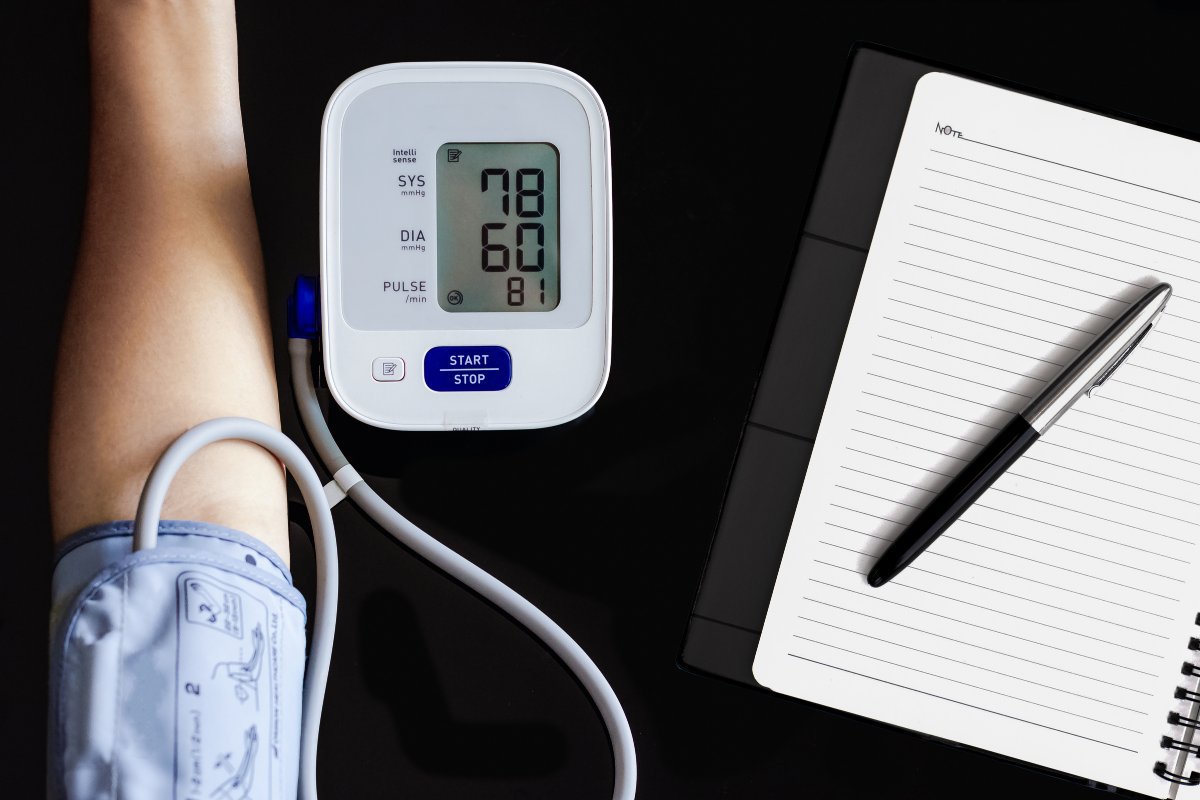
Beta blockers can also cause hypotension, or low blood pressure, even at normal doses. In an overdose situation, this effect is exacerbated, potentially resulting in life-threatening hypotension.
3. Cardiac Conduction Abnormalities:
Beta blockers can cause abnormalities in the electrical conduction of the heart, leading to changes in the QRS complex on an electrocardiogram (ECG). In an overdose, these abnormalities can be more pronounced and severe. It can lead to cardiac arrest.
4. Arrhythmias:
While beta-blockers are often prescribed to manage arrhythmias, an overdose can lead to the emergence of new and more dangerous arrhythmias.
3. Specific Beta Blockers and Their Overdose Risks
It is important to note that not all beta blockers are created equal in terms of their overdose risk.
For instance, propranolol, a commonly prescribed beta blocker, is associated with a higher risk of overdose due to its potency and the potential for rapid, profound effects when consumed in excessive amounts.
This makes it critical for healthcare providers and patients to be aware of the risks associated with the specific beta blocker they are using.
4. Early Signs of Beta Blocker Overdose
Recognizing the early signs of a beta blocker overdose is pivotal for timely intervention. These signs can be subtle, and they may overlap with other medical conditions, making early diagnosis challenging. Therefore, healthcare professionals should be vigilant for the following symptoms:
Profound bradycardia
Severe hypotension
Altered mental status
Hypoglycemia
Hypotension
Nausea and vomiting
Respiratory depression
Seizures
In an overdose situation, healthcare providers often rely on an electrocardiogram (ECG) to detect and monitor cardiac abnormalities, which can serve as a vital diagnostic tool.
5. The Role of Calcium Channel Blockers in Beta Blocker Overdose
In some cases of beta-blocker overdose, calcium channel blockers may be considered as part of the treatment strategy. Calcium channel blockers work differently from beta blockers by inhibiting the influx of calcium into smooth muscle cells and myocardial cells, leading to vasodilation and decreased cardiac contractility.
This effect can counteract some of the detrimental consequences of beta-blocker overdose. However, the use of calcium channel blockers in this context requires careful consideration and should be performed by trained medical professionals.
6. Management of Beta Blocker Overdose
The management of beta blocker overdose is a multi-faceted approach that involves various strategies, each tailored to the individual patient's condition. It is crucial to monetarize patients.
While the specifics may vary, a few key steps are critical in most overdose cases:
1. Airway Management:
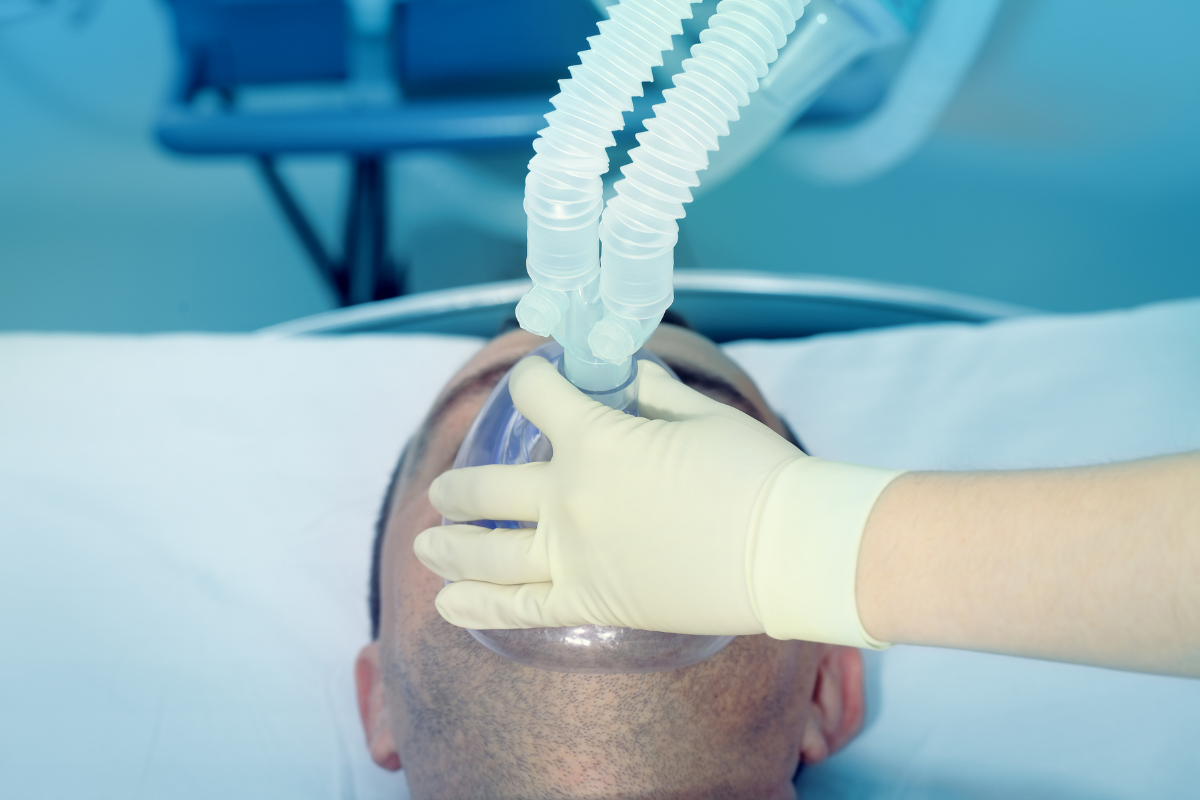
Patients who have overdosed on beta-blockers may experience altered mental status, seizures, or respiratory depression. Ensuring a patent airway is paramount, and mechanical ventilation may be necessary in severe cases.
2. Activated Charcoal:
The administration of activated charcoal may be indicated for decontamination, particularly if the overdose has occurred within a relatively short timeframe. Activated charcoal can bind to the drug, preventing its further absorption in the gastrointestinal tract.
3. Pharmacological Interventions:
Several medications can be employed to counteract the effects of beta blocker overdose. These include high-dose insulin therapy, catecholamines (like epinephrine and norepinephrine), and inotropic agents (like dobutamine). Each of these medications aims to increase heart rate, improve cardiac contractility, and elevate blood pressure.
4. Lipid Emulsion Therapy (Intralipid):
Lipid emulsion therapy, using a product like Intralipid, may be considered in certain cases. It works by creating a lipid sink that can sequester lipophilic drugs like some beta blockers, reducing their harmful effects.
5. Tricyclic Antidepressants:
In situations where tricyclic antidepressants have been co-ingested with beta blockers, specific management may be required to address the combined toxicity.
7. Long-Term Monitoring and Follow-Up
After the acute management of beta blocker overdose, it's essential to continue monitoring the patient's condition, particularly cardiac parameters. Some patients may experience prolonged effects or complications that require ongoing care.
Collaborating with a toxicologist can provide valuable insights and guidance in complex overdose cases.
8. Prevention and Education
Prevention is always the best course of action. Healthcare professionals and patients should work together to minimize the risk of beta-blocker overdose.
This includes understanding the prescribed medications, their appropriate dosages, and the importance of never self-administering or altering the prescribed regimen.
Public awareness and education regarding medication safety, overdose risks, and the role of poison control centers are crucial in reducing instances of overdose. Healthcare providers should engage in meaningful conversations with their patients about the risks and proper medication management.
9. Conclusion: Beta Blocker Overdose - A Serious but Manageable Condition
In conclusion, beta-blocker overdose is a potentially life-threatening medical emergency. Understanding the mechanisms at play, the specific risks associated with certain beta blockers, and the steps required for effective management are vital for healthcare professionals and the public alike.
By being informed and vigilant, we can reduce the risks and consequences of beta-blocker overdose, potentially saving lives in the process.
Beta-blockers, when used appropriately, are valuable tools in the treatment of cardiovascular conditions. With knowledge and care, we can ensure that they remain beneficial without causing harm.
FAQ
1. What is the most common cause of beta blocker overdose?
Beta blocker overdose often occurs due to ingestion of these medications in excessive amounts. This can result from accidental ingestion, self-poisoning, or a misinterpretation of the prescribed dosage.
2. How do sodium and sodium bicarbonate play a role in beta blocker overdose management?
Sodium bicarbonate is sometimes used in beta blocker overdose to counteract the metabolic acidosis that can occur. It helps maintain normal pH levels and may improve the effectiveness of treatment.
3. What is the role of glucagon in treating beta blocker overdose?
Glucagon is administered in some cases of beta blocker overdose to counteract the negative inotropic and chronotropic effects of the drug. It can stimulate the heart and improve cardiac output.
4. What is the significance of beta 1 receptors in beta blocker overdose management?
Beta 1 receptors are primarily found in the heart. In beta blocker overdose, medications that target these receptors can help improve heart rate and contractility, which are often compromised by beta blockers.
5. When is the use of bolus doses considered in beta blocker overdose?
Bolus doses of medications like epinephrine or norepinephrine may be administered as a rapid, concentrated treatment option in severe cases of beta blocker overdose, where immediate intervention is crucial.
6. How does gastric decontamination play a role in beta blocker overdose management?
Gastric decontamination is important for preventing further absorption of beta blockers in overdose cases. Techniques like activated charcoal or gastric lavage may be used.
7. What is the significance of a wide QRS complex in beta blocker overdose?
A wide QRS complex on an electrocardiogram (ECG) is indicative of conduction abnormalities, which are common in beta blocker overdose. It can be a crucial diagnostic marker and guide treatment decisions.
8. How is refractory hypotension managed in beta blocker overdose?
Refractory hypotension, which doesn't respond to initial treatment measures, may require additional interventions, such as the administration of inotropic agents to improve cardiac output and perfusion.
9. What is the role of lipid-soluble medications in beta blocker overdose management?
Lipid-soluble medications, like those used in lipid emulsion therapy, can sequester lipophilic drugs such as some beta blockers. This can reduce their harmful effects on the body.
10. Can beta blocker overdose occur in individuals with glaucoma?
Yes, beta blocker overdose can occur in individuals with glaucoma, particularly if they are taking beta blocker eye drops in addition to systemic beta blocker medications. This combination can increase the risk of overdose.
11. How does whole bowel irrigation work in beta blocker overdose management?
Whole bowel irrigation involves administering a solution through a nasogastric tube to flush the gastrointestinal tract, potentially removing undigested beta blockers. It is considered in specific cases to prevent further absorption.
12. Is there a risk of beta blocker overdose with commonly prescribed medications?
Yes, commonly prescribed beta blockers, such as propranolol tablets, can lead to overdose if not used as directed. It is essential for patients to adhere to their prescribed dosage and follow their healthcare provider's guidance.
13. Can beta blocker overdose occur in patients with pre-existing heart conditions?
Yes, individuals with pre-existing heart conditions may be at higher risk of beta blocker overdose. It's crucial for healthcare providers to carefully monitor and adjust medication dosages in such cases.
14. How does the mechanism of competitive blockade affect beta blocker overdose management?
Competitive blockade refers to the way beta blockers compete with adrenaline for beta receptors. In overdose situations, this competitive blockade can lead to an excessive reduction in heart rate and blood pressure, necessitating specialized interventions.
15. How can beta blocker overdose affect the QT interval on an ECG?
Beta blocker overdose can prolong the QT interval on an electrocardiogram (ECG), increasing the risk of dangerous arrhythmias and sudden cardiac events.
16. What is the typical age group most susceptible to beta blocker overdose?
Beta blocker overdose can affect individuals of all ages. However, older adults may be more vulnerable due to factors such as polypharmacy and age-related changes in metabolism.
17. How is resuscitation performed in severe cases of beta blocker overdose?
Resuscitation in severe beta blocker overdose cases often involves a combination of airway management, pharmacological interventions, and specialized treatments to counteract the overdose effects and support vital organ function.

Author
Mehmet Eren Aksu, MD.
Mehmet Eren Aksu is a medical doctor at Ege University in Turkey. He has graduated from the Faculty Of Medicine at Ege University. His purpose in establishing the Healthy Bodies 101 blog and starting to write here is to inform the public about health and medicine from the right source and to convey his expertise to everyday people.
Subscribe now.
Sign up for our newsletter to get the most interesting stories of the day straight to your inbox before everyone else
ABOUT
Join us as we explore the path to well-being, one step at a time. Your journey to a healthier body starts here."