
Can a Lack of Sleep Really Lead to Weight Gain?
In a world where weight management is a constant concern, we often focus on diet and exercise while overlooking one crucial factor: sleep. Yes, you read that right – the quality and duration of your sleep can significantly impact your weight.
In this blog post, we'll delve into the science behind the connection between a lack of sleep and weight gain, and explore how you can optimize your sleep to support your weight management goals.
The Sleep-Weight Connection
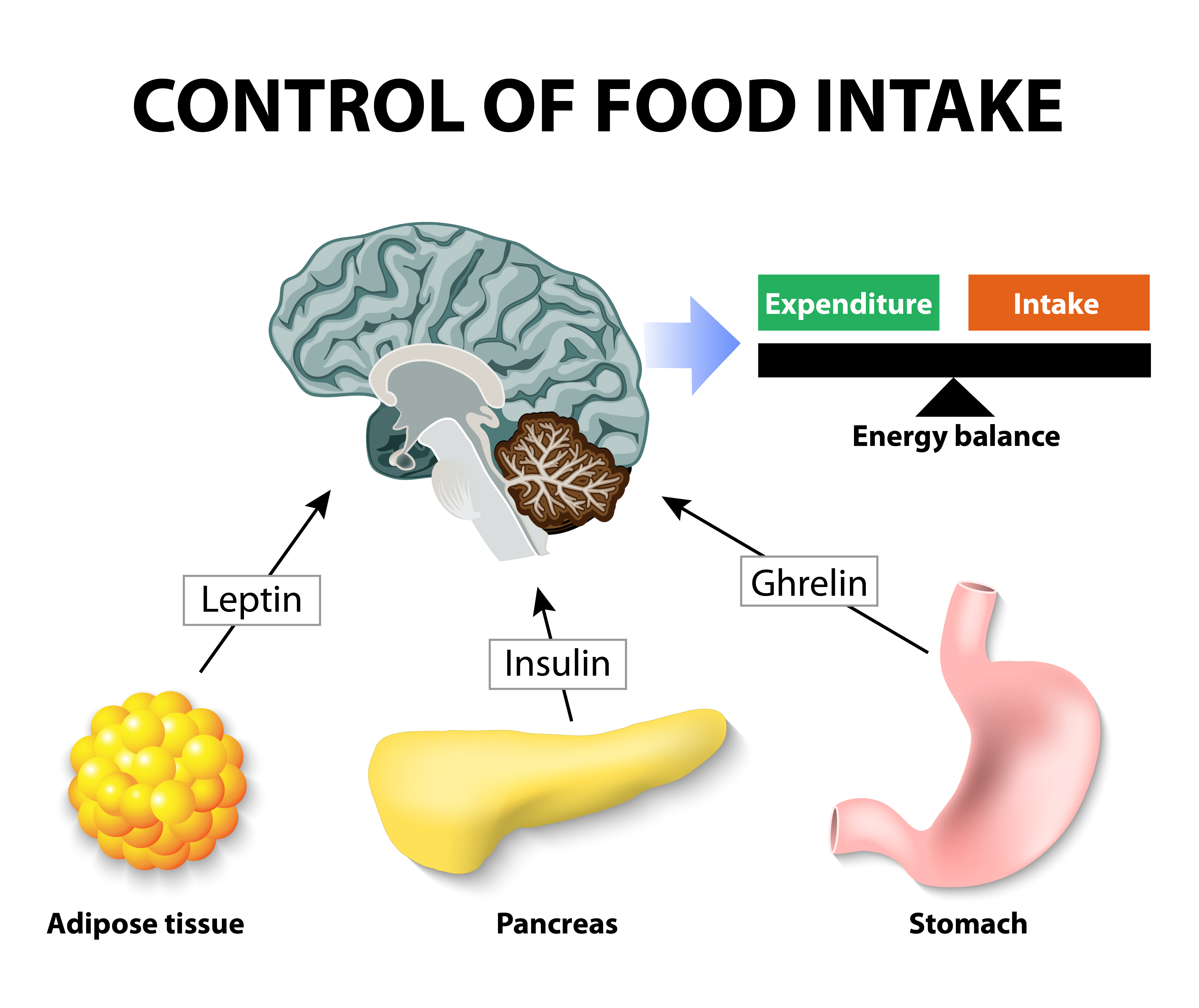
It might sound surprising, but there is a strong link between sleep and weight. The intricate dance between sleep and our metabolism is influenced by a variety of factors. Your body relies on a balance of hormones to regulate appetite and energy expenditure. Two key players in this regulation are leptin and ghrelin. Leptin, often referred to as the "satiety hormone," signals your brain that you've had enough to eat. Ghrelin, on the other hand, is known as the "hunger hormone," promoting appetite and food intake. When you're sleep-deprived, the balance tips in favor of ghrelin, leading to increased hunger and cravings.
The Science Behind the Sleep-Weight Relationship
Researchers have spent considerable time studying the connection between sleep and weight. Multiple studies have shown a clear correlation between inadequate sleep and obesity. For example, a study published in the "International Journal of Obesity" found that sleep duration is inversely related to the risk of obesity, especially among children and adolescents. This data highlights that insufficient sleep can be a contributing factor to weight gain. Experts emphasize the importance of quality sleep for overall health and effective weight management.
The research found that:
At baseline, there was a clear cross-sectional relationship between weight and sleep duration with those sleeping 5 hours or less weighing on average 2.47 kg (5.43 lbs) more than those sleeping 7 hours (the median for the cohort) and 1.24 kg (2.73 lbs) more than those sleeping 6 hours.
Cooper CB, Neufeld EV, Dolezal BA, Martin JL. Sleep deprivation and obesity in adults: a brief narrative review. BMJ Open Sport Exerc Med. 2018
Sleep-Related Factors That Contribute to Weight Gain
Inadequate sleep isn't the sole factor affecting your weight; other factors also come into play. Stress and sleep are closely interconnected, and stress can lead to poor sleep patterns.
Additionally, late-night snacking and poor food choices can become habitual when you're sleep-deprived. Over time, these habits can contribute to weight gain. Irregular sleep patterns can also disrupt your body's internal clock, potentially leading to metabolic issues.
Strategies for Improving Sleep and Managing Weight
If you're concerned about the impact of sleep on your weight, it's important to make quality sleep a priority. Here are some strategies to consider:
1-Establish a Consistent Sleep Schedule: Go to bed and wake up at the same time each day, even on weekends.
2-Create a Relaxing Bedtime Routine: Engage in calming activities before bedtime, such as reading or taking a warm bath.
3-Optimize Your Sleep Environment: Ensure your bedroom is dark, quiet, and at a comfortable temperature.
4-Limit Exposure to Screens: The blue light emitted by screens can interfere with your sleep. Avoid screens at least an hour before bedtime.
5-Watch Your Diet: Be mindful of your food and drink intake, especially in the evening. Avoid heavy or spicy meals close to bedtime.
To inspire you, consider the success stories of individuals who have prioritized sleep and improved their weight management.
Many have found that by making sleep a priority and incorporating healthy sleep habits into their lifestyle, they've achieved better weight control and overall health.
Sleep and the Weight Gain
Related Myths Debunking
Finally, let's address a few common misconceptions about sleep and weight. It's important to dispel these myths to ensure you make well-informed choices:
Myth: "I can catch up on sleep during the weekend." (Truth: Consistency is key.)
Myth: "Sleeping less means I can burn more calories." (Truth: Sleep-deprivation can disrupt your metabolism.)
Myth: "A nightcap helps me sleep better." (Truth: Alcohol can disrupt your sleep.) Alcohol is not your friend :)
Conclusion
In the quest for effective weight management, don't underestimate the significance of a good night's sleep. The connection between sleep and weight gain is real, and by prioritizing your sleep, you can help your body maintain a healthy weight. Make sleep a part of your overall wellness plan, and watch how it positively impacts your life.

Author
Mehmet Eren Aksu, MD.
Mehmet Eren Aksu is a medical doctor at Ege University in Turkey. He has graduated from the Faculty Of Medicine at Ege University. His purpose in establishing the Healthy Bodies 101 blog and starting to write here is to inform the public about health and medicine from the right source and to convey his expertise to everyday people.
Subscribe now.
Sign up for our newsletter to get the most interesting stories of the day straight to your inbox before everyone else
ABOUT
Join us as we explore the path to well-being, one step at a time. Your journey to a healthier body starts here."