
Can Migraine Attacks Cause Neck Pain?
"Explore the intriguing link between migraine attacks and neck pain. Discover the causes, symptoms, and management options in this informative article."
Migraine attacks are a common and debilitating neurological condition that affects millions of people worldwide. They are often characterized by intense and throbbing headaches, but the symptoms of a migraine can extend beyond head pain.
One intriguing question that has captured the attention of researchers and migraine sufferers alike is whether migraine attacks can cause neck pain. In this article, we will explore the relationship between migraine attacks and neck pain, shedding light on the mechanisms, symptoms, and potential treatment options for this phenomenon.
Understanding Migraine Attacks
Before delving into the connection with neck pain, let's first establish what a migraine attack is and what it entails:
A migraine attack is a neurological disorder characterized by:
Intense Headache: The hallmark of a migraine is a severe, pulsating headache, typically on one side of the head.
Additional Symptoms: Migraines are often accompanied by other symptoms, which can include nausea, vomiting, sensitivity to light (photophobia), and sensitivity to sound (phonophobia).
Auras: Some individuals experience visual or sensory disturbances called auras before or during a migraine attack. Auras can include flashing lights, blind spots, or tingling sensations.
Triggers: Migraines can be triggered by various factors, such as stress, hormonal changes, certain foods, or environmental stimuli.
Now that we have a clear picture of what migraine attacks entail, let's explore whether they can indeed cause neck pain.
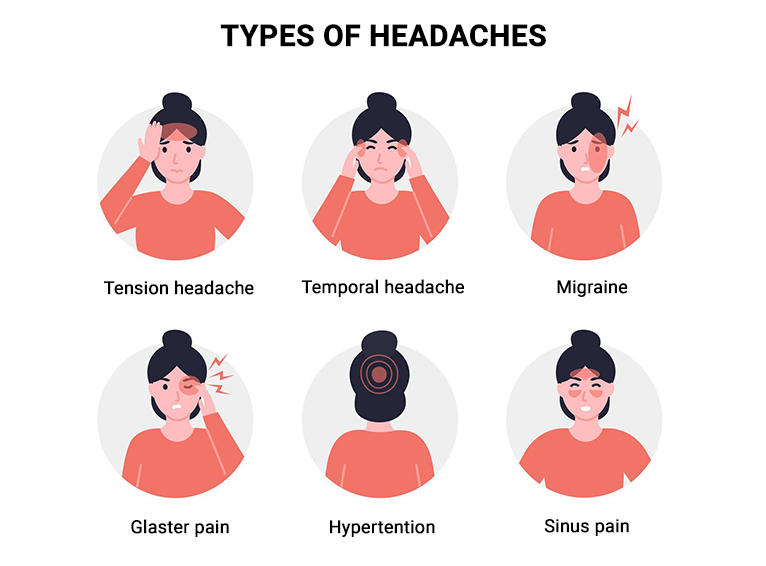
The Migraine-Neck Pain Connection
Migraine sufferers often report experiencing neck pain during or after a migraine attack. This has led researchers to investigate the potential link between the two. Several factors contribute to this connection:
Muscle Tension: During a migraine attack, the muscles around the head and neck can tense up, leading to neck discomfort. This tension may be a result of the pain experienced during the headache phase.
Central Sensitization: Migraine attacks are associated with central sensitization, where the nervous system becomes hypersensitive to pain signals. This heightened sensitivity can make individuals more prone to feeling neck pain during a migraine episode.
Shared Anatomy: The nerves and blood vessels that supply the head and neck are closely interconnected. Changes in blood flow or inflammation associated with a migraine may affect the surrounding neck area, leading to discomfort.
Posture and Muscle Strain: Migraine sufferers may unconsciously alter their posture during an attack, leading to muscle strain in the neck and shoulders, which can contribute to neck pain.

Clinical Evidences of Migraine Related Neck Pains
Several clinical studies have examined the relationship between migraine attacks and neck pain. While findings vary, some studies have provided evidence supporting the connection. For example, a study published in the The Journal of Headache and Pain in 2007 found that neck pain was significantly more prevalent in individuals experiencing migraines with aura.
You might want to check these articles too..
Diagnosis and Management of Migraine and Related Neck Pains
Differentiating between neck pain caused by migraines and neck pain resulting from other factors can be challenging. It's crucial for individuals who experience neck pain during migraines to consult with healthcare professionals for proper evaluation. Treatment options may include:
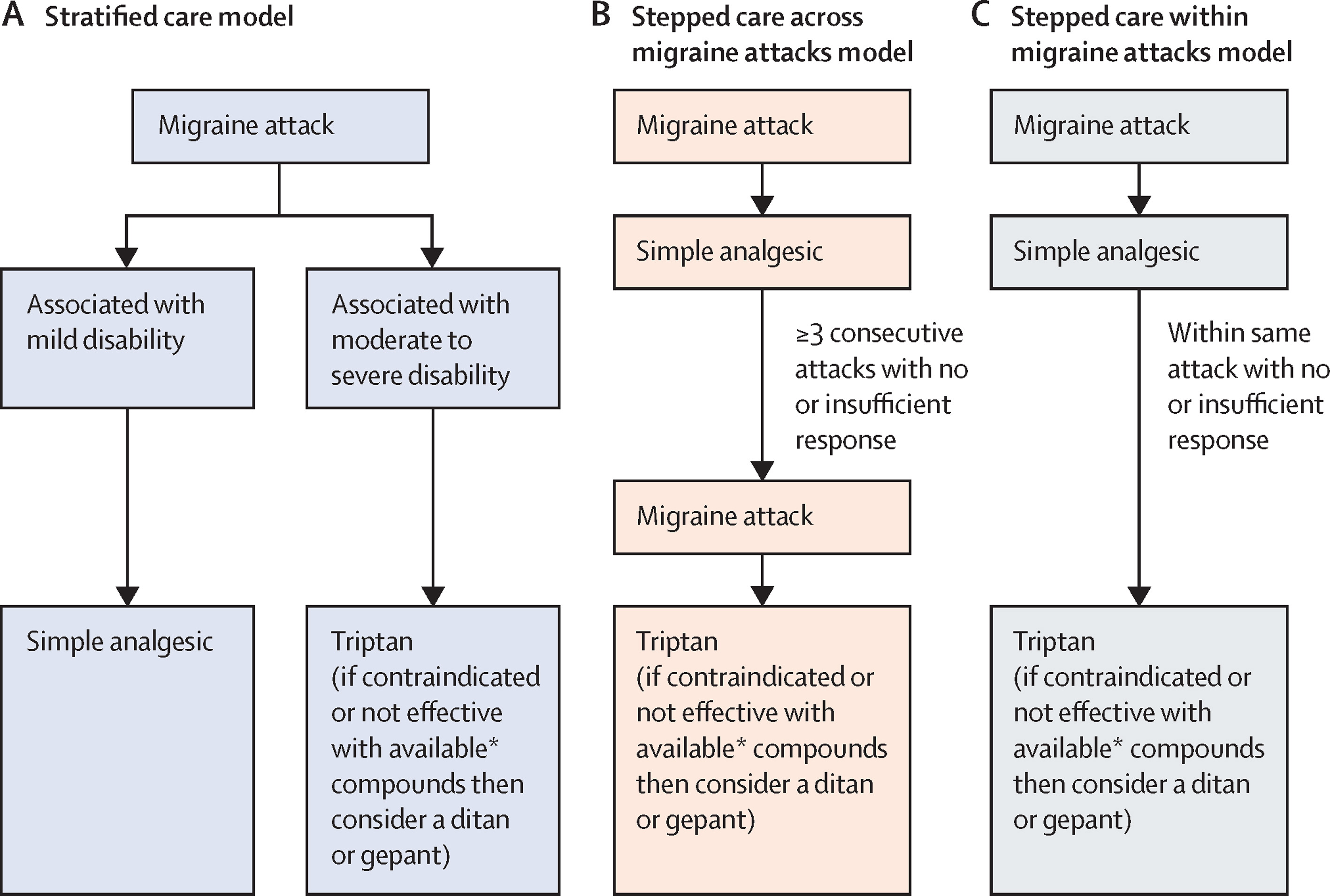
Migraine Management: Treating the underlying migraine can help alleviate associated neck pain. This may involve medications, lifestyle changes, and identifying and managing triggers.
Neck Pain Management: If neck pain is primarily due to muscle tension or strain, physical therapy, massage, and exercises to improve posture may be beneficial.
Differentiating between neck pain caused by migraines and neck pain resulting from other factors can be challenging. It's crucial for individuals who experience neck pain during migraines to consult with healthcare professionals for proper evaluation. Treatment options may include:
Comprehensive Care: An interdisciplinary approach involving neurologists, pain specialists, and physical therapists can provide comprehensive care for individuals experiencing both migraines and neck pain.
Conclusion
While the relationship between migraine attacks and neck pain is complex and not fully understood, there is evidence to suggest a connection. For migraine sufferers who also experience neck pain, seeking proper diagnosis and management is crucial for improving their quality of life.
Further research in this area may shed more light on the mechanisms at play and lead to more effective treatments. In the meantime, individuals affected by both migraines and neck pain can find relief and support through a holistic approach to their healthcare.

Author
Mehmet Eren Aksu, MD.
Mehmet Eren Aksu is a medical doctor at Ege University in Turkey. He has graduated from the Faculty Of Medicine at Ege University. His purpose in establishing the Healthy Bodies 101 blog and starting to write here is to inform the public about health and medicine from the right source and to convey his expertise to everyday people.
Subscribe now.
Sign up for our newsletter to get the most interesting stories of the day straight to your inbox before everyone else
ABOUT
Join us as we explore the path to well-being, one step at a time. Your journey to a healthier body starts here."