
Can Sleep Apnea Cause Weight Gain?
In a world where the struggle with obesity continues to challenge individuals' health and well-being, it's crucial to delve into every potential contributor, even those that may seem unconventional. One such contributor that often escapes the spotlight is sleep apnea – a prevalent sleep disorder affecting millions worldwide.
But why should we pay attention to this seemingly unrelated sleep condition when discussing the complexities of weight gain? Because the connection between sleep apnea and weight gain is more profound and intertwined than you might imagine. In this article, we will embark on a journey of understanding, exploring the question that's been on the minds of many: Can sleep apnea cause weight gain?

To truly comprehend the implications of this connection, we'll begin by taking a closer look at what sleep apnea is, its various types, and why it warrants our attention in the context of weight management. Then, we'll navigate the intricate web of factors that link sleep apnea and weight gain, supported by scientific evidence and real-world examples. Our journey will also include examining the significant overlap between sleep apnea and obesity and how sleep apnea disrupts appetite and metabolism. We will conclude by considering the available treatment options and practical strategies to address both sleep apnea and its potential impact on weight management.
So, let's embark on this enlightening expedition to unveil the hidden ties between sleep apnea and weight gain, ultimately empowering you with the knowledge to make informed decisions about your health and well-being.
Explanation of sleep apnea and its types (obstructive, central, complex)
Sleep apnea is a common sleep disorder characterized by the repeated interruption of breathing during sleep. It occurs in three primary forms: obstructive sleep apnea (OSA), central sleep apnea (CSA), and complex sleep apnea syndrome.
Obstructive Sleep Apnea (OSA): OSA is the most prevalent type and results from the relaxation of throat muscles, leading to the blockage of the airway. This causes brief pauses in breathing, often accompanied by loud snoring.
Central Sleep Apnea (CSA): CSA is less common and differs from OSA in that it involves a failure of the brain to transmit the proper signals to the muscles responsible for controlling breathing.
Complex Sleep Apnea Syndrome: Also known as treatment-emergent central sleep apnea, it is a combination of OSA and CSA. Initially, it may appear as OSA but evolve into a more complex form with continuous positive airway pressure (CPAP) therapy, a common treatment for OSA.
Each type has distinct characteristics and may require different approaches to diagnosis and treatment. Understanding the specific type is essential for effective management and improved sleep quality.
The Sleep Apnea-Weight Gain Connection
Understanding the intricate relationship between sleep apnea and weight gain requires a deep dive into scientific research. Numerous studies have shed light on the strong link between these two factors. Researchers have uncovered compelling evidence that individuals with sleep apnea are more likely to experience weight gain. But why does this occur?
There are several mechanisms through which sleep apnea may contribute to weight gain. One of the primary culprits is disrupted sleep patterns. Sleep apnea leads to frequent awakenings and oxygen desaturation, preventing individuals from reaching the restorative stages of deep sleep. This chronic sleep deprivation can lead to hormonal imbalances that affect appetite regulation and metabolism, ultimately resulting in increased hunger, cravings for high-calorie foods, and a tendency to consume more calories than the body requires. Additionally, sleep apnea can lead to excessive daytime sleepiness, reducing energy levels and the motivation to engage in physical activity.
Understanding these underlying mechanisms is essential for comprehending how sleep apnea can influence weight gain and why addressing this sleep disorder is crucial for maintaining a healthy weight and overall well-being.
Sleep Apnea and Obesity
A. Examining the prevalence of sleep apnea in individuals with obesity
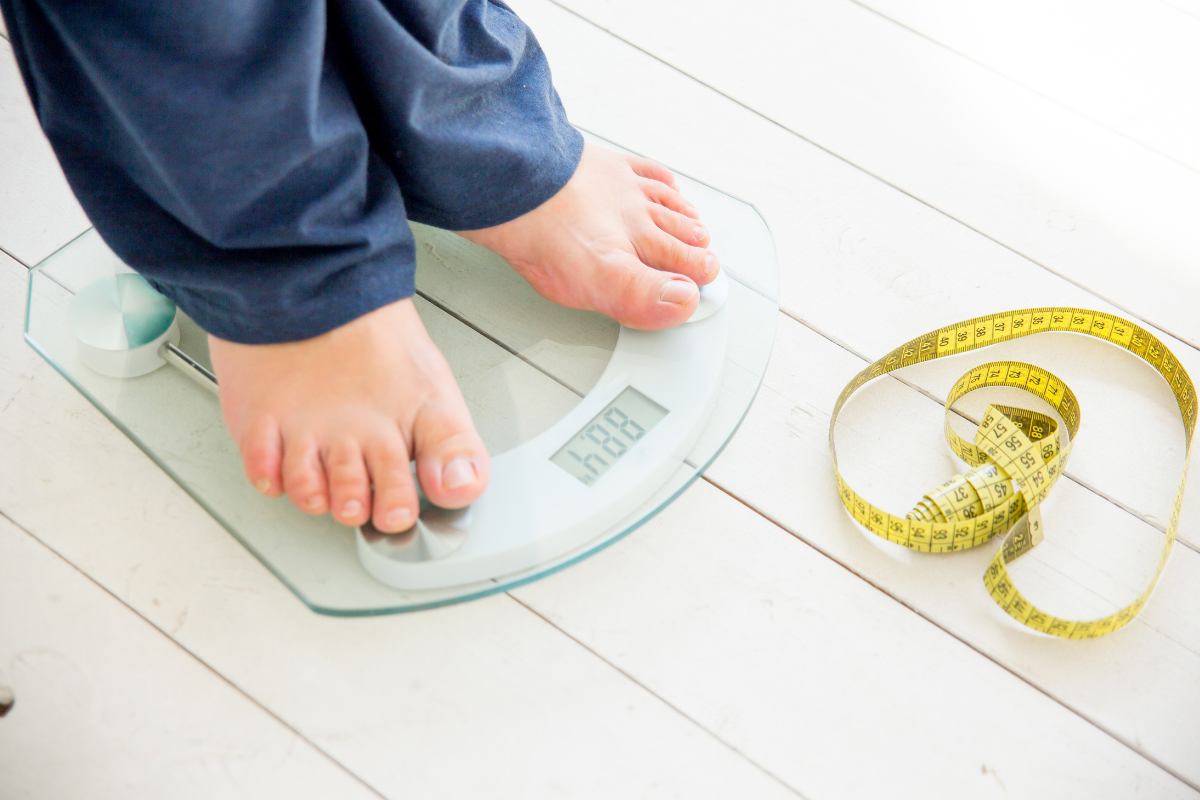
Examining the relationship between sleep apnea and obesity reveals a significant interplay between these two health concerns. Obesity is a well-established risk factor for sleep apnea, with a substantial number of individuals who struggle with excess weight also facing the challenges of sleep-disordered breathing. The extra weight, particularly around the neck and throat area, can lead to airway constriction, increasing the likelihood of experiencing obstructive sleep apnea. This connection emphasizes the importance of addressing obesity as a risk factor and highlights the potential benefits of weight loss in alleviating sleep apnea symptoms.
B. Impact of obesity on the severity of sleep apnea
Additionally, the impact of obesity on the severity of sleep apnea cannot be underestimated. Excess body weight, especially when concentrated in the upper body, can exacerbate the obstruction of the upper airway during sleep, leading to more frequent and severe apnea events.
As individuals with obesity strive to manage their weight, they may find that improvements in sleep apnea symptoms parallel their progress in weight reduction. This further underscores the dynamic relationship between obesity and sleep apnea and the potential for a positive feedback loop, where addressing one issue can improve the other.
How Sleep Apnea Affects Appetite and Metabolism
To truly grasp the impact of sleep apnea on weight gain, it's essential to delve into the intricate relationship between this sleep disorder and the body's hormonal balance. Sleep apnea can lead to significant hormonal changes that directly influence appetite and metabolism. One key hormone involved is ghrelin, often referred to as the "hunger hormone." When sleep is disrupted by apnea events, ghrelin levels tend to increase, making individuals feel hungrier and more inclined to consume extra calories. In contrast, the levels of leptin, the hormone responsible for signaling fullness, decrease, reducing the sensation of being satisfied after eating. This hormonal imbalance can lead to overeating, a primary driver of weight gain.
Sleep apnea doesn't only impact hormones; it also disrupts the architecture of sleep. Frequent awakenings and oxygen desaturation caused by apnea events fragment the sleep cycle, particularly depriving individuals of the crucial rapid eye movement (REM) and slow-wave sleep stages. This sleep fragmentation further contributes to appetite dysregulation, affecting the brain's ability to interpret hunger and fullness signals accurately. Additionally, it disrupts the release of growth hormone, which plays a role in maintaining muscle mass and regulating metabolism. All these factors collectively make it challenging for individuals with sleep apnea to maintain a healthy weight and metabolism.
Understanding the hormonal and structural changes that sleep apnea induces in the body is essential for comprehending how this sleep disorder can impact weight gain. It underscores the importance of addressing sleep apnea not only for the sake of restful sleep but also for the maintenance of healthy body weight and metabolism.
Link Between Sleep Apnea and Weight Gain Scientific Studies and Evidence
"There is a linear correlation between obesity and OSA. In obese people, fat deposits in the upper respiratory tract narrow the airway; there is a decrease in muscle activity in this region, leading to hypoxic and apneic episodes, ultimately resulting in sleep apnea."Jehan S, Zizi F, Pandi-Perumal SR, Wall S, Auguste E, Myers AK, Jean-Louis G, McFarlane SI. Obstructive Sleep Apnea and Obesity: Implications for Public Health. Sleep Med Disord. 2017;1(4):00019
Patel SR
The complex relationship between weight and sleep apnoea
Thorax 2015;70:205-206.
Breaking the Sleep Apnea-Weight Gain Cycle
Breaking the cycle of sleep apnea contributing to weight gain and vice versa is of paramount importance for individuals grappling with these interconnected challenges. Fortunately, there are strategies that can help manage both sleep apnea and weight.
1-Weight Loss: For many individuals, particularly those with obstructive sleep apnea, achieving and maintaining a healthy weight can significantly improve sleep apnea symptoms. Even modest weight loss can lead to a reduction in the severity of sleep apnea, as the extra fat around the neck and throat area is often a contributor to airway obstruction.
2-Dietary Modifications: Adopting a balanced diet is essential not only for weight management but also for improving sleep quality. Avoiding heavy, spicy, and acidic foods close to bedtime can minimize the risk of acid reflux, which can exacerbate sleep apnea symptoms.
3-Physical Activity: Engaging in regular physical activity is a fundamental component of weight management. Exercise not only aids in weight loss but can also improve sleep quality, reduce daytime sleepiness, and enhance overall health.
4-Sleep Position: Some individuals with sleep apnea experience milder symptoms when sleeping on their sides rather than their backs. Experimenting with different sleep positions can be a simple yet effective strategy.
5-Continuous Positive Airway Pressure (CPAP) Therapy: CPAP therapy is a highly effective treatment for sleep apnea, particularly for those with moderate to severe OSA. Consistently using a CPAP machine can alleviate symptoms and enhance sleep quality.
6-Oral Appliances: In cases of mild to moderate OSA, oral appliances prescribed by a dentist may be effective. These devices reposition the lower jaw and tongue to prevent airway blockage during sleep.
7-Surgery: In severe cases or when other treatments are ineffective, surgical interventions to remove excess tissue from the throat or repair structural issues may be considered.
By addressing sleep apnea and adopting these strategies, individuals can effectively manage their weight and improve their overall well-being. The key is to break the cycle by taking proactive steps toward better sleep and health.
Important message
Dear Readers,
While the strategies mentioned in this article can be helpful for managing sleep apnea and its potential impact on weight gain, it's crucial to remember that seeking professional medical guidance is paramount. Sleep apnea is a serious medical condition that requires proper diagnosis and treatment tailored to your specific needs.

Author
Mehmet Eren Aksu, MD.
Mehmet Eren Aksu is a medical doctor at Ege University in Turkey. He has graduated from the Faculty Of Medicine at Ege University. His purpose in establishing the Healthy Bodies 101 blog and starting to write here is to inform the public about health and medicine from the right source and to convey his expertise to everyday people.
Subscribe now.
Sign up for our newsletter to get the most interesting stories of the day straight to your inbox before everyone else
ABOUT
Join us as we explore the path to well-being, one step at a time. Your journey to a healthier body starts here."