
The Shocking Benefits of Prostate Massage Therapy: What You Need to Know
The subject of prostate massage therapy is one that might raise eyebrows or even prompt a chuckle, but the potential health benefits associated with this practice are nothing to scoff at.
Prostate massage therapy, often referred to simply as prostate massage, is a therapeutic technique that involves the gentle manipulation of the prostate gland.
In this article, we'll delve into the intricacies of prostate massage therapy, from its health benefits and how to prepare for it to potential risks and its role in addressing conditions like prostatitis and erectile dysfunction.
Health Benefits of Prostate Massage Therapy
Prostate massage therapy has been around for centuries and has gained recognition for its potential health benefits.
Here, we'll explore some of the positive aspects of this practice.
1. Prostate Health
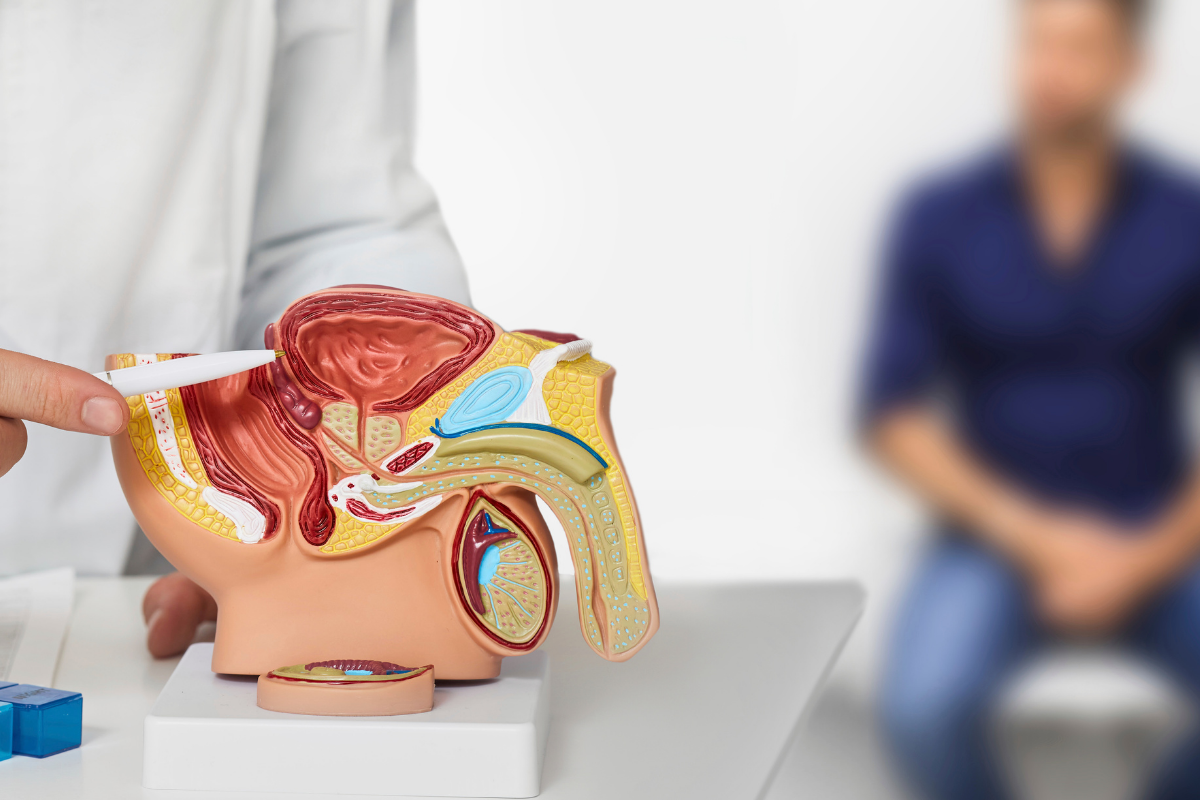
The prostate gland, a walnut-sized gland located just below the bladder and in front of the rectum, plays a crucial role in male reproductive health. Regular prostate massage therapy may help maintain the health of the prostate gland.
This gland's function is to produce prostatic fluid, an essential component of semen that nourishes and protects sperm.
By gently stimulating the prostate, it can help to release accumulated fluids and toxins, potentially reducing the risk of issues like an enlarged prostate or inflammation of the prostate, known as prostatitis.
2. Alleviating Prostatitis
Prostatitis, an inflammation of the prostate gland, can cause discomfort, pain, and urinary problems. Some men have found relief from their symptoms through the use of prostate massage therapy.
The gentle manipulation of the prostate may help reduce inflammation and improve blood flow in the area, potentially offering relief for individuals suffering from prostatitis.
3. Erectile Dysfunction Management
Erectile dysfunction (ED) can be a frustrating and distressing condition for many men. Prostate massage therapy may be part of a multifaceted approach to managing ED.
Stimulating the prostate is believed to increase blood flow to the area, potentially aiding in achieving and maintaining an erection.
4. Sexual Health
For some individuals, prostate massage therapy has also been explored for its potential role in sexual health. Massaging the male prostate can lead to what is often referred to as a "prostate orgasm."
This form of sexual stimulation is believed to be different from traditional orgasms, offering a unique and intense experience. However, it's important to note that the experience and results can vary from person to person.
Preparing for Prostate Massage Therapy
If you're considering prostate massage therapy, it's crucial to be well-informed and adequately prepared for the experience.
1. Professional Guidance
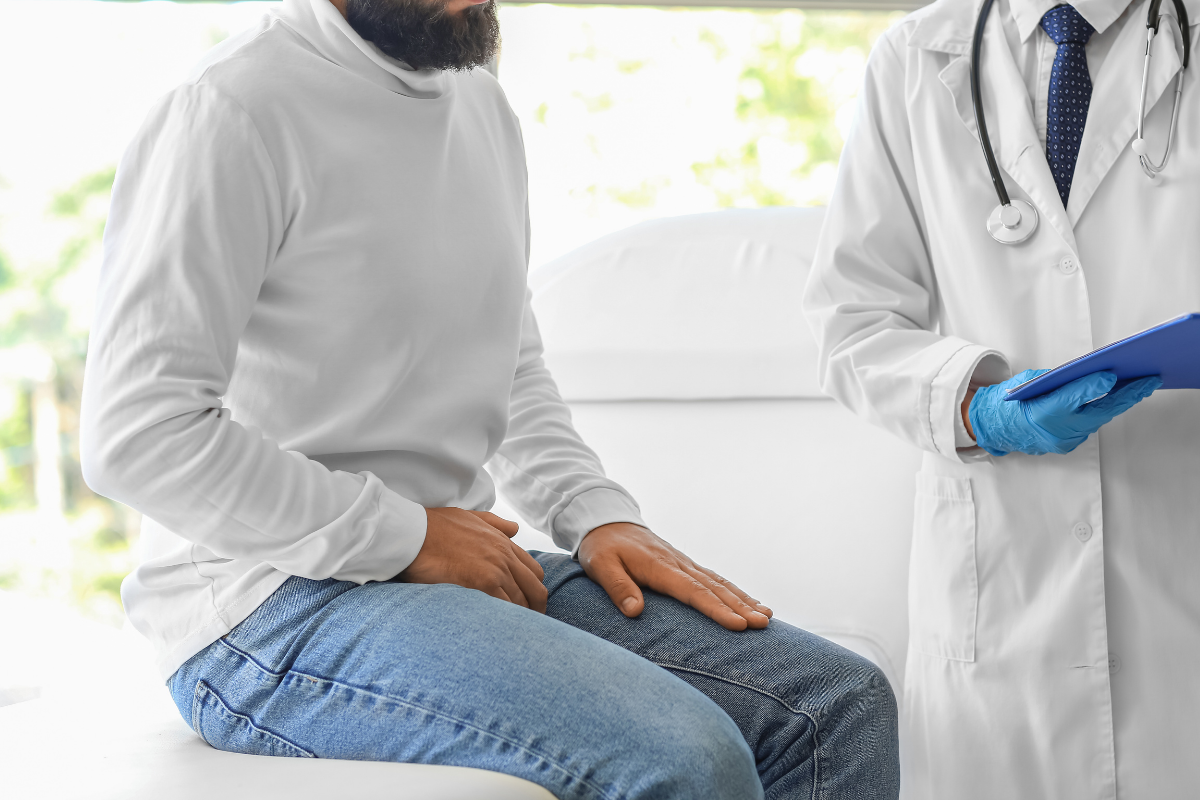
While some individuals may choose to perform prostate massage therapy on themselves, it's often advisable to seek the guidance of a trained massage therapist. A professional can ensure that the procedure is performed correctly, minimizing the risk of injury or discomfort.
2. Hygiene and Safety
Hygiene is of utmost importance when it comes to prostate massage. Make sure you and your therapist adhere to strict hygiene standards, as the procedure involves inserting a finger into the rectum. This practice should always be done with clean hands and sanitized equipment.
3. Relaxation and Comfort
For a successful prostate massage therapy session, relaxation and comfort are key. Make sure you are in a comfortable position, and communicate openly with your therapist about your preferences and any discomfort you may experience during the process.
4. Lubrication
Proper lubrication is essential to reduce friction and ensure a smooth and pain-free experience. Water-based lubricants are often recommended as they are compatible with latex gloves and other protective barriers.
Performing a Prostate Massage Therapy
Prostate massage therapy involves the insertion of a finger into the rectum to stimulate the prostate.
Here's an overview of how the procedure is typically performed:
1. Positioning
You'll usually be asked to lie on your side with your knees drawn up towards your chest. This position allows the therapist easy access to the rectum and the prostate gland.
2. Gloved Hand
The therapist will wear a latex or nitrile glove and apply a generous amount of lubricant to the finger they intend to use for the massage.
3. Gentle Stimulation
With a gloved and lubricated finger, the therapist will slowly and gently insert it into the rectum, being cautious not to apply excessive pressure. They will locate the prostate gland and begin to massage it with light, rhythmic motions.
4. Communication
Communication with your therapist is crucial. If you experience any discomfort or pain during the massage, be sure to communicate this to your therapist so they can adjust their technique accordingly.
5. Duration
A prostate massage session typically lasts around 30 minutes. The therapist will focus on the prostate gland, and the intensity of the massage can vary based on your preferences and comfort level.
Potential Risks of Prostate Massage Therapy
While prostate massage therapy offers potential health benefits, it's essential to be aware of the possible risks associated with the procedure.
1. Discomfort
Prostate massage therapy can be uncomfortable or even painful for some individuals. It's important to communicate openly with your therapist to ensure the procedure is as comfortable as possible.
2. Infection
There is a small risk of infection associated with prostate massage therapy, especially if proper hygiene practices are not followed. Infections can occur when bacteria from the rectum enter the prostate gland. Antibiotics may be required to treat such infections.
3. Injury
Inexperienced or overly aggressive prostate massage can potentially lead to injury, including damage to the delicate tissues in the rectum or prostate. This is why seeking a trained professional is advisable.
4. Emotional Discomfort
Engaging in prostate massage therapy can be emotionally uncomfortable for some individuals due to societal taboos and personal beliefs. It's important to consider your own comfort and readiness for this practice.
Prostate Massage Therapy and Prostatitis
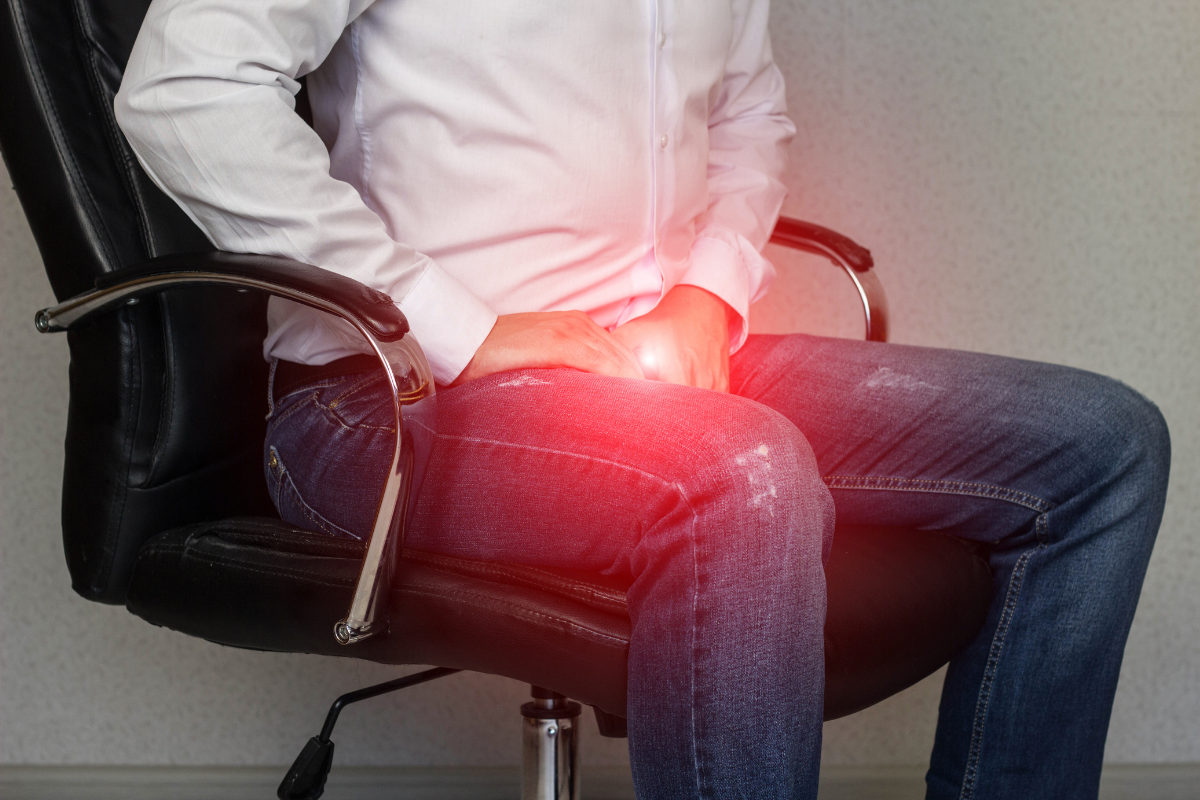
Prostatitis is a common condition that involves inflammation of the prostate gland. It can cause pain, discomfort, and urinary symptoms. Some men have found relief from their prostatitis symptoms through prostate massage therapy.
The gentle manipulation of the prostate may help reduce inflammation and improve blood flow, potentially providing relief. However, it's crucial to consult with a healthcare professional for an accurate diagnosis and treatment plan.
Prostate Massage Therapy and Erectile Dysfunction
Erectile dysfunction is a condition that affects a significant number of men. While prostate massage therapy is not a guaranteed cure for ED, some men have reported improvements in their ability to achieve and maintain an erection after regular prostate massage sessions.
The theory is that the increased blood flow and stimulation of the prostate may contribute to better erectile function. However, it's essential to discuss your ED concerns with a healthcare provider to explore appropriate treatment options.
Prostate Massage for Sexual Health
Prostate massage therapy has also been explored for its potential role in sexual health. Massaging the male prostate can lead to a "prostate orgasm," a unique experience different from traditional orgasms.
This practice is not only a source of pleasure for some individuals but can also be a means of exploring one's body and sexual preferences.
However, it's crucial to approach this aspect of prostate massage with an open mind and respect for personal boundaries and preferences.

Summary and Key Takeaways
Prostate massage therapy has potential health benefits, including promoting prostate health, alleviating prostatitis symptoms, aiding in managing erectile dysfunction, and contributing to sexual well-being.
Proceed with caution when considering prostate massage therapy and prioritize hygiene and safety.
Seek professional guidance and communicate openly with your therapist.
Be aware of potential risks and discomfort associated with the practice.
It may not be suitable for everyone, so consult with a healthcare provider or a trained therapist to discuss your specific needs and concerns.
Personal preferences and comfort should always be respected when exploring therapeutic techniques.
Make informed decisions about your healthcare and well-being.
Frequently Asked Questions (FAQs)
1. What is prostate massage, and how does it work to benefit prostate health?
Prostate massage is a therapeutic technique that involves the gentle manipulation of the prostate gland through the rectum or anus. It may help maintain prostate health by stimulating the prostate and potentially reducing the risk of issues such as an inflamed prostate or urinary tract problems.
2. Can prostate massage help prevent or treat prostate cancer?
Prostate massage is not a recognized method for preventing or treating prostate cancer. Medical treatments and screenings like the prostate exam are more appropriate for addressing prostate cancer concerns.
3. What is prostatic massage, and how does it differ from prostate massage?
Prostatic massage is another term for prostate massage, and the two are used interchangeably. Both refer to the therapeutic manipulation of the prostate gland for potential health benefits.
4. Is prostate massage safe, and are there any risks involved?
Prostate massage, when performed correctly by a trained professional, is generally safe. However, there are potential risks, such as infection or injury if hygiene standards are not met or if the massage is too aggressive. It's important to seek guidance from a professional.
5. Can prostate massage help with urinary tract issues or prostate problems?
Prostate massage may help with urinary tract issues and some prostate problems by stimulating the prostate gland and promoting better blood flow. However, it's crucial to consult with a healthcare provider for a proper diagnosis and treatment plan.
6. What are the potential benefits of a prostate massage?
Potential benefits of a prostate massage include improved prostate health, relief from prostatitis symptoms, potential assistance in managing erectile dysfunction, and a unique form of sexual stimulation known as a "prostate orgasm."
7. Is it safe to use an external prostate massager or an electronic prostate massager for self-massage?
Using external or electronic prostate massagers for self-massage can be safe if done cautiously and following manufacturer instructions. It's essential to ensure proper hygiene and cleanliness when using such devices.
8. How often should I consider repetitive prostatic massage therapy?
The frequency of repetitive prostatic massage therapy sessions can vary from person to person and their specific needs. It's advisable to consult with a healthcare provider or therapist to determine an appropriate schedule based on your health goals.
9. Does prostate massage involve stimulating the urethra, and is this safe?
The prostate massage focuses on the prostate gland itself and does not typically involve direct stimulation of the urethra. The safety of urethral stimulation should be discussed with a healthcare provider or therapist if it's a concern.
10. Can prostate massage help with an inflamed prostate?
Prostate massage may potentially help reduce inflammation of the prostate. It's advisable to consult with a healthcare provider for a diagnosis and guidance on incorporating prostate massage into your treatment plan.
11. Is there a specific prostate milking technique, and what are its benefits?
Prostate milking is often used interchangeably with prostate massage and refers to the process of stimulating the prostate to release accumulated fluids and toxins. The benefits include potential relief from discomfort and maintenance of prostate health.
12. Can prostate massage be part of a comprehensive approach to managing prostate problems and urinary tract issues?
Prostate massage may be part of a comprehensive approach to managing prostate problems and urinary tract issues. However, it should always be done under professional guidance and in conjunction with other medical treatments as recommended by a healthcare provider.

Author
Mehmet Eren Aksu, MD.
Mehmet Eren Aksu is a medical doctor at Ege University in Turkey. He has graduated from the Faculty Of Medicine at Ege University. His purpose in establishing the Healthy Bodies 101 blog and starting to write here is to inform the public about health and medicine from the right source and to convey his expertise to everyday people.
Subscribe now.
Sign up for our newsletter to get the most interesting stories of the day straight to your inbox before everyone else
ABOUT
Join us as we explore the path to well-being, one step at a time. Your journey to a healthier body starts here."