
Which Diet is Best for Weight Loss in 2023?
In a world obsessed with fitness and wellness, the quest for the perfect weight loss diet continues to be a topic of great debate and interest. With 2023 underway, we find ourselves amidst an ever-expanding landscape of dieting trends, each claiming to be the ultimate solution to shed those extra pounds. But which diet truly stands out as the best for weight loss this year? In this comprehensive comparative blog post, we will dissect and analyze some of the most popular diets of 2023. From the tried-and-true approaches to the latest trends, we aim to provide you with the information you need to make an informed decision about your weight loss journey.
1-The Ketogenic Diet

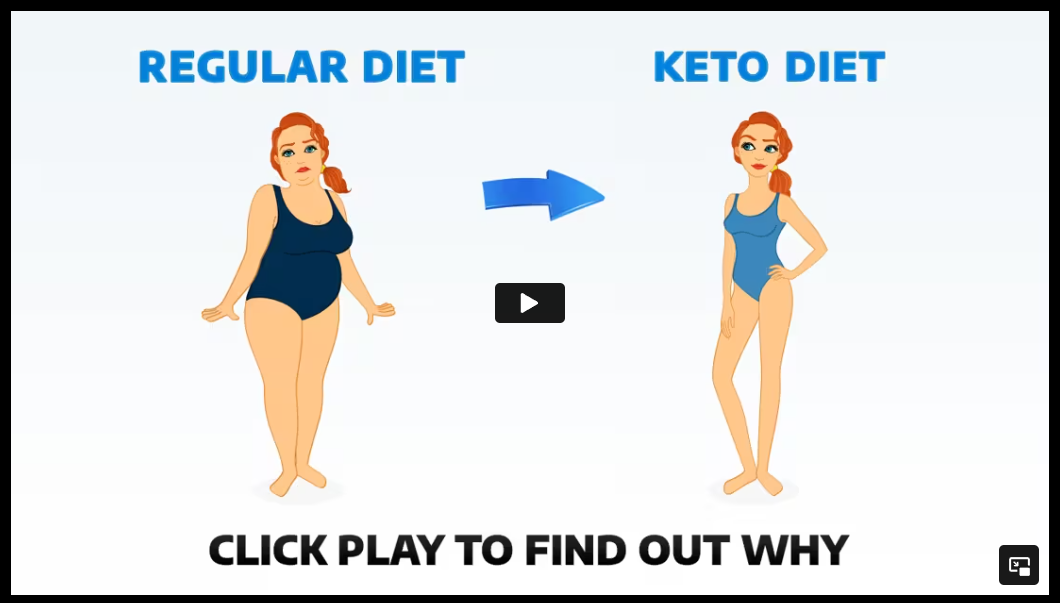
Let's start with one of the most enduring diet trends of the past decade - the ketogenic diet. The keto diet is characterized by its high-fat, low-carbohydrate approach, which aims to put your body into a state of ketosis, where it burns fat for fuel. Advocates of the keto diet claim that it can lead to rapid weight loss and improved metabolic health.
Pros:
Rapid initial weight loss: The drastic reduction in carbohydrate intake forces the body to tap into fat stores for energy, leading to quick initial weight loss.
Appetite control: Many followers of the keto diet report reduced appetite, which can help with calorie restriction and weight loss.
Potential health benefits: Some studies suggest that the keto diet may have positive effects on conditions like epilepsy, diabetes, and certain neurological disorders.
Cons:
Challenging to maintain: The strict dietary restrictions, including avoiding most fruits and grains, can be difficult to sustain in the long term.
Limited food choices: The keto diet eliminates many healthy foods, potentially leading to nutrient deficiencies.
Keto flu: Some individuals experience flu-like symptoms when transitioning to ketosis, including headaches, fatigue, and nausea.
2-Intermittent Fasting
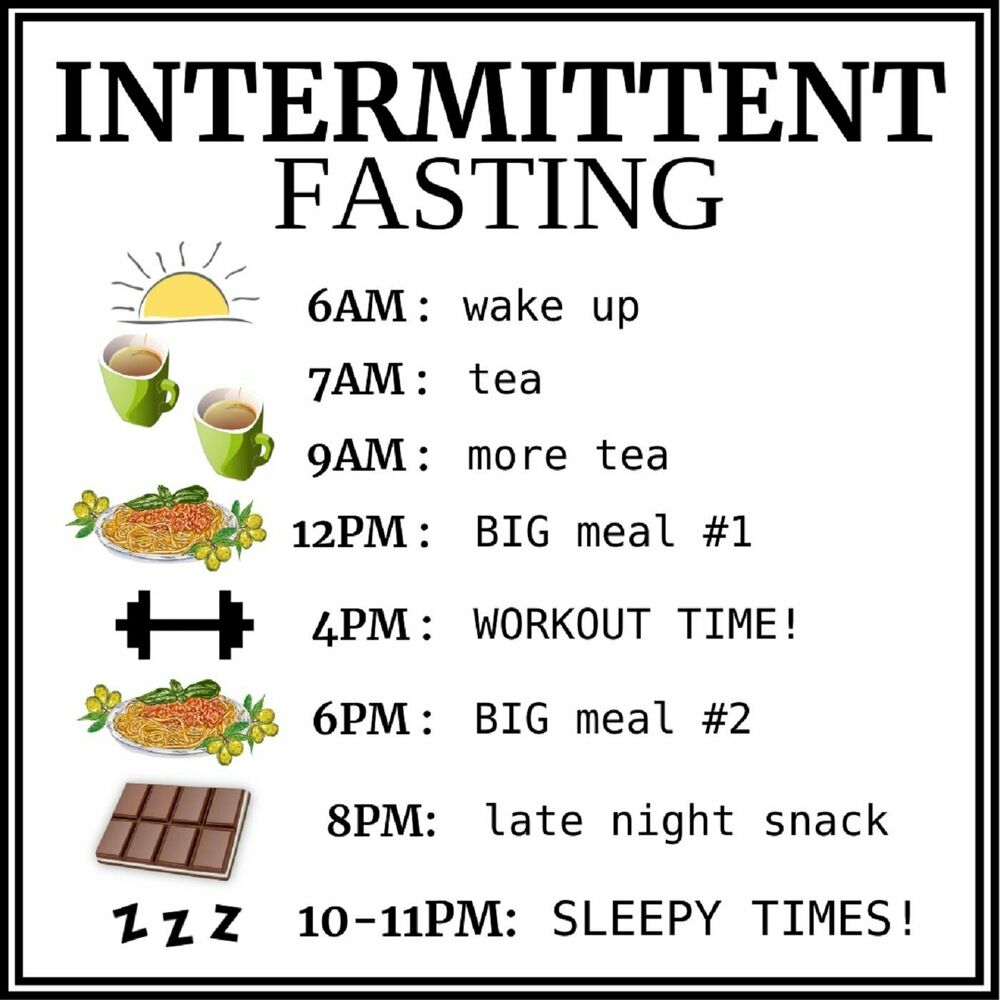
Intermittent fasting is less of a specific diet and more of an eating pattern. It involves cycling between periods of eating and fasting, with various approaches such as the 16/8 method (fasting for 16 hours and eating within an 8-hour window) or the 5:2 method (eating normally for five days and restricting calories on two non-consecutive days).
Pros:
Simplicity: Intermittent fasting doesn't require specific foods or complicated meal plans, making it relatively easy to implement.
Improved insulin sensitivity: Fasting periods can lead to better blood sugar control and insulin sensitivity.
Flexibility: There are various intermittent fasting methods to choose from, allowing individuals to find one that suits their lifestyle.
Cons:
Hunger and irritability: Fasting periods can lead to increased hunger and irritability, making it challenging for some people to stick with.
Potential overeating: Some individuals may compensate for fasting periods by overeating during eating windows, which can hinder weight loss.
Not suitable for everyone: Intermittent fasting may not be safe or suitable for individuals with certain medical conditions or those who are pregnant or breastfeeding.
3-Plant-Based Diet
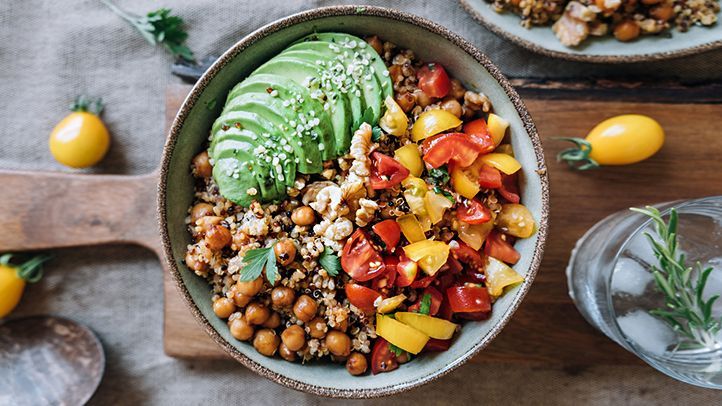
The plant-based diet has gained significant traction in recent years, driven by ethical, environmental, and health concerns. This diet primarily focuses on consuming foods derived from plants while minimizing or eliminating animal products.
Pros:
Health benefits: A plant-based diet is associated with lower rates of heart disease, high blood pressure, and certain cancers.
Weight loss potential: A diet rich in fruits, vegetables, whole grains, and legumes can naturally lead to weight loss due to its lower calorie density.
Environmental sustainability: Choosing plant-based foods can reduce your carbon footprint and contribute to a more sustainable food system.
Cons:
Nutrient deficiencies: Without careful planning, a plant-based diet may lead to deficiencies in essential nutrients like vitamin B12, iron, and omega-3 fatty acids.
Limited protein sources: Plant-based protein sources may not be as complete or easily absorbed as animal proteins, making it important to diversify protein intake.
Social challenges: Eating plant-based can be challenging in social situations or when dining out, as not all restaurants offer suitable options.

4-Paleo Diet
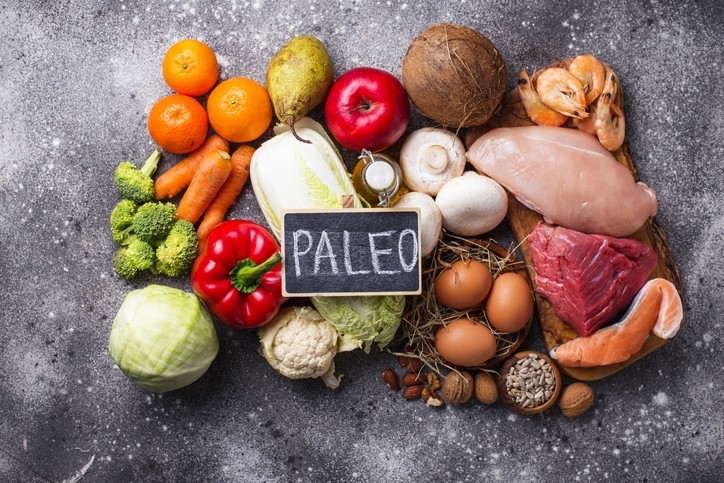
The Paleo diet, also known as the caveman diet, is based on the premise of eating like our ancestors. It involves consuming foods that were available during the Paleolithic era, such as lean meats, fish, fruits, vegetables, nuts, and seeds, while avoiding processed foods, grains, dairy, and legumes.
Pros:
Emphasis on whole foods: The Paleo diet encourages the consumption of unprocessed, nutrient-dense foods.
Potential weight loss: By cutting out processed and high-calorie foods, individuals may naturally reduce their calorie intake and lose weight.
Improved blood sugar control: The diet's low carbohydrate content can help stabilize blood sugar levels.
Cons:
Dietary restrictions: The elimination of entire food groups can make the Paleo diet challenging to follow and may lead to nutrient deficiencies.
Costly: Eating a diet rich in high-quality meats and fresh produce can be expensive.
Lack of long-term research: There is limited long-term research on the health effects of the Paleo diet.
5-Mediterranean Diet
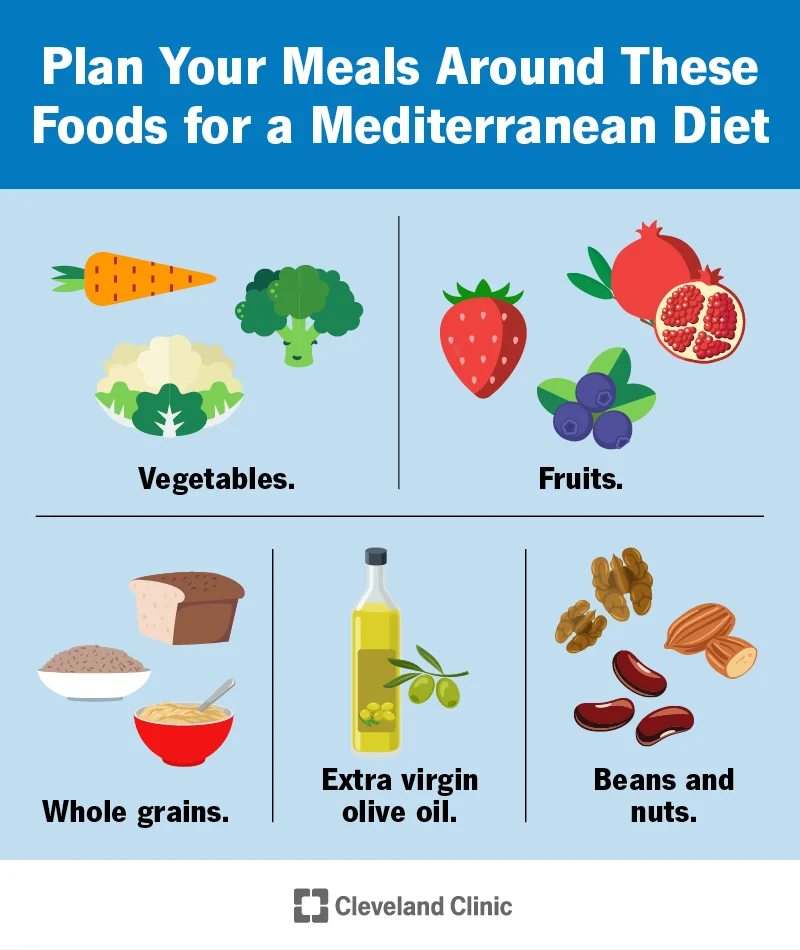
The Mediterranean diet is inspired by the traditional dietary patterns of countries bordering the Mediterranean Sea. It emphasizes whole foods such as fruits, vegetables, whole grains, fish, olive oil, and nuts while limiting red meat and processed foods.
Pros:
Heart-healthy: The Mediterranean diet is associated with a reduced risk of heart disease and stroke.
Balanced and sustainable: It promotes a balanced approach to eating, making it easier to maintain in the long term.
Delicious and diverse: The diet includes a wide variety of flavorful and satisfying foods.
Cons:
Calorie intake: While the Mediterranean diet is healthy, it may not lead to rapid weight loss unless combined with portion control.
Potential for overconsumption: The abundance of olive oil and nuts in this diet can lead to excessive calorie intake if not monitored.
Adherence: It may be challenging for some individuals to adopt a Mediterranean-style diet if they are used to a different culinary tradition.
6-Vegan Diet
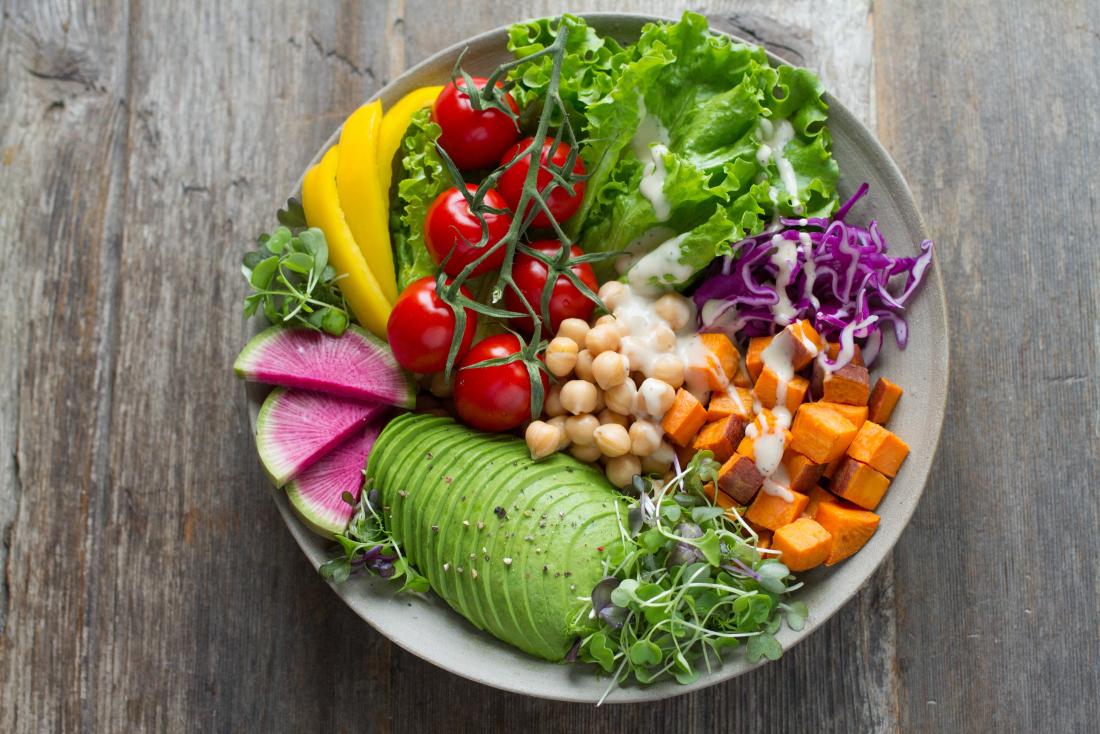
A vegan diet excludes all animal products, including meat, dairy, eggs, and honey. It is often chosen for ethical reasons, but it can also be a way to achieve weight loss and improved health.
Pros:
Ethical and environmental benefits: A vegan diet aligns with ethical beliefs regarding animal rights and has a lower environmental impact.
Potential weight loss: By eliminating high-calorie animal products, individuals may naturally consume fewer calories and lose weight.
Health benefits: A well-balanced vegan diet can reduce the risk of heart disease, certain cancers, and type 2 diabetes.
Cons:
Nutrient deficiencies: Vegans must be vigilant about obtaining essential nutrients like vitamin B12, iron, calcium, and omega-3 fatty acids from plant-based sources or supplements.
Social challenges: Dining out and finding suitable vegan options in some regions can be difficult.
Individual variation: Not all vegans automatically lose weight, as the quality of their food choices matters.
7-Low-Carb Diet
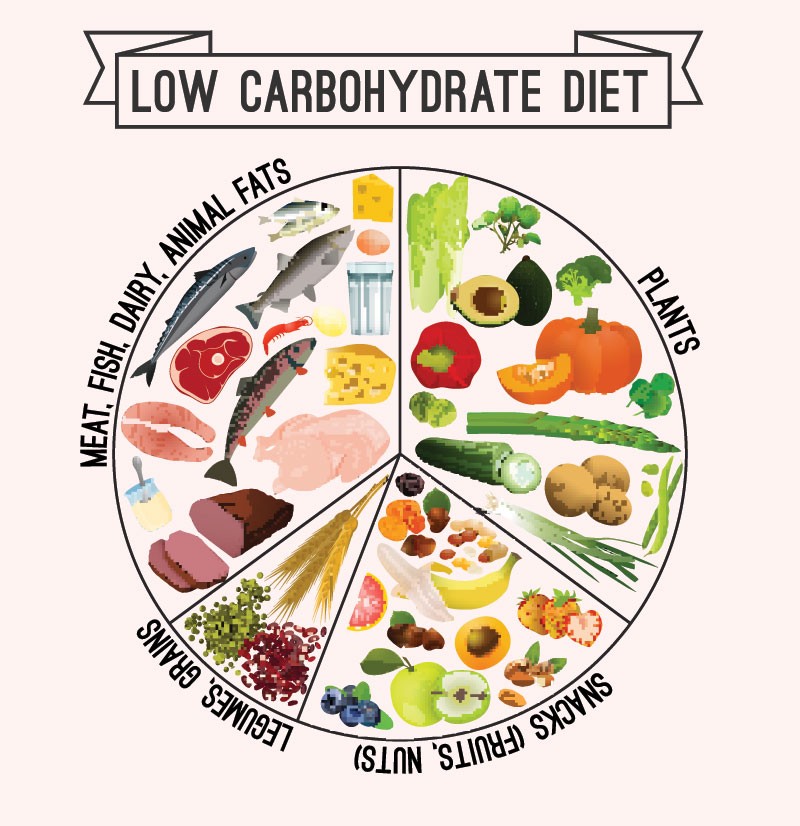
Low-carb diets, including variations like Atkins and South Beach, limit carbohydrate intake while allowing for varying amounts of protein and fat. These diets aim to shift the body into a state where it primarily burns fat for energy.
Pros:
Rapid weight loss: Reducing carb intake can lead to quick initial weight loss, mainly due to water weight loss.
Appetite control: Many people on low-carb diets report reduced hunger, making it easier to consume fewer calories.
Improved blood sugar control: Low-carb diets can help stabilize blood sugar levels, making them suitable for individuals with diabetes.
Cons:
Initial water weight loss: Much of the early weight loss on low-carb diets is due to the loss of water retained with glycogen in the muscles.
Dietary restrictions: Low-carb diets often require eliminating or severely limiting foods like bread, pasta, and sugary snacks.
Potential nutrient deficiencies: Restricting carbohydrates may lead to a reduced intake of fiber and certain vitamins and minerals found in carb-rich foods.
8-Flexitarian Diet
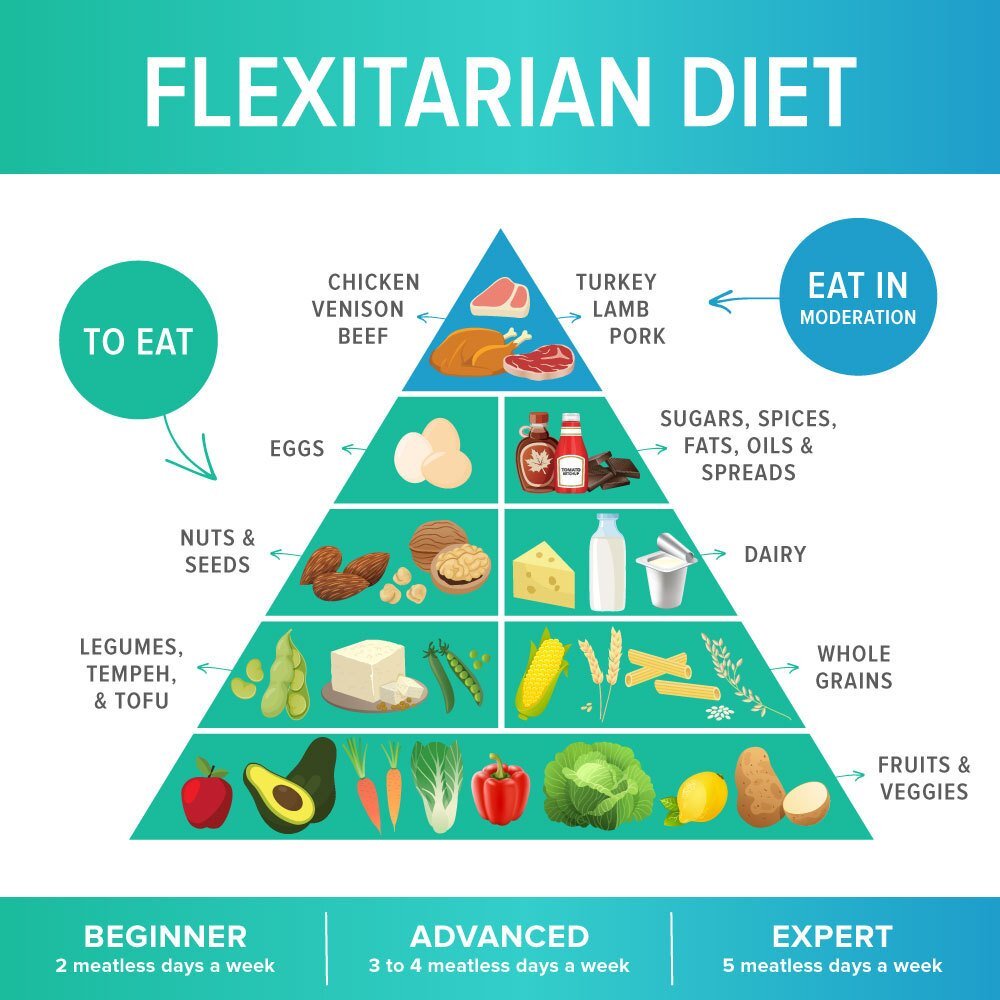
The flexitarian diet is a flexible approach to eating that combines elements of vegetarianism with occasional consumption of meat or fish. It encourages a predominantly plant-based diet while allowing for occasional animal products.
Pros:
Sustainability: Reducing meat consumption can have positive environmental impacts, making it an eco-friendly choice.
Health benefits: A flexitarian diet may provide health benefits similar to those of vegetarianism, such as lower rates of heart disease and obesity.
Versatility: Flexitarians have the flexibility to choose plant-based meals while occasionally enjoying meat or fish, making it a sustainable long-term approach.
Cons:
Individual variation: The effectiveness of weight loss on a flexitarian diet can vary based on individual food choices and portion sizes.
Social challenges: Balancing a flexitarian diet in social settings or restaurants can be challenging.
Nutrient awareness: Flexitarians should pay attention to their nutrient intake to ensure they meet their dietary needs.
COMPARING THE DIETS
Now that we've explored the pros and cons of these popular diets, let's compare them across several key factors:
1-Weight Loss Effectiveness:
Keto and low-carb diets may lead to rapid initial weight loss. Vegan and plant-based diets can naturally lead to weight loss due to reduced calorie density. The Mediterranean and flexitarian diets promote balanced, sustainable weight loss. Intermittent fasting can be effective if calorie intake is controlled. Paleo's weight loss effects may depend on food choices and calorie intake.
2-Nutrient Adequacy:
Vegan diets require careful planning to ensure adequate nutrient intake. Keto and low-carb diets may lack fiber and some vitamins and minerals. Mediterranean, flexitarian, and plant-based diets promote nutrient-rich choices. Intermittent fasting can be nutrient-adequate if well-balanced during eating windows. Paleo diets may lack calcium and certain nutrients.
3- Sustainability:
Flexitarian, Mediterranean, and plant-based diets are considered more sustainable in the long term. Vegan diets align with ethical and environmental values but may require lifestyle adjustments. Intermittent fasting offers flexibility and can be sustainable for some. Keto and low-carb diets may be challenging to maintain due to strict restrictions. Paleo diets can be sustainable for those who enjoy the allowed foods.
4-Health Benefits:
Mediterranean, vegan, and plant-based diets are associated with various health benefits. Low-carb diets may improve blood sugar control and weight loss. Intermittent fasting can promote better insulin sensitivity. Paleo diets may benefit those with gluten or dairy sensitivities. Flexitarian diets offer health benefits similar to vegetarianism.
5-Social and Practical Considerations:
Flexitarian, Mediterranean, and plant-based diets are adaptable in social settings. Keto and low-carb diets may limit food choices when dining out. Intermittent fasting can be practical but requires planning during fasting periods. Vegan diets may require careful restaurant choices and communication. Paleo diets may align with some dietary preferences but can be restrictive.
Conclusion
In the quest to find the best diet for weight loss in 2023, there is no one-size-fits-all answer. Each of the diets we've explored in this comprehensive comparison has its advantages and disadvantages. The ideal choice depends on individual preferences, goals, and lifestyle.
If rapid initial weight loss is the priority, keto or low-carb diets may be worth considering. For those seeking a sustainable long-term approach with health and environmental benefits, a plant-based, flexitarian, or Mediterranean diet may be more suitable. Intermittent fasting offers flexibility but requires mindful eating during eating windows. Paleo diets may appeal to those with specific dietary preferences, while vegan diets align with ethical and environmental values but require careful nutrient planning.
Ultimately, the best diet for weight loss in 2023 is the one that you can maintain consistently and that supports your overall health and well-being. Before embarking on any diet, consult with a healthcare professional or registered dietitian to ensure it aligns with your individual needs and goals. Remember that successful weight loss often involves a combination of a balanced diet and regular physical activity, and a holistic approach to health and wellness is key to achieving lasting results.

Author
Mehmet Eren Aksu, MD.
Mehmet Eren Aksu is a medical doctor at Ege University in Turkey. He has graduated from the Faculty Of Medicine at Ege University. His purpose in establishing the Healthy Bodies 101 blog and starting to write here is to inform the public about health and medicine from the right source and to convey his expertise to everyday people.
Subscribe now.
Sign up for our newsletter to get the most interesting stories of the day straight to your inbox before everyone else
ABOUT
Join us as we explore the path to well-being, one step at a time. Your journey to a healthier body starts here."