
Why Are You Still Tired After a Full Night's Sleep? Sleeping Longer But Feeling More Tired?
Why Are You Still Tired After a Full Night's Sleep? Sleeping Longer But Feeling More Tired?
Are you one of those people who find themselves still tired after a full night's sleep? You're not alone. Many individuals experience the frustrating phenomenon of feeling groggy, fatigued, and still tired after getting a supposedly healthy 8 hours of sleep.
In this article, we'll dive deep into the reasons behind this persistent fatigue and explore ways to improve your sleep quality and overall well-being.
If you've ever wondered why you feel more tired after sleeping or if you're still tired after a good night's sleep, read on for insights and solutions.
1. Understanding the Basic Science of Sleep
Before we explore the reasons why you might feel exhausted despite getting a full 8 hours of sleep, it's essential to grasp the fundamentals of sleep itself.
Sleep isn't just a simple period of rest; it's a complex process involving various sleep stages and cycles.
Sleep Patterns and Cycles
Sleep patterns consist of five different stages that repeat in cycles throughout the night. These stages range from light sleep to deep sleep, with Rapid Eye Movement (REM) sleep as the fifth and final stage. Understanding these stages is crucial for comprehending the quality and restorative effects of your sleep.
The five stages include:
1. Stage One: This is the transition from wakefulness to sleep. It's the easiest to wake from and usually lasts for just a few minutes.
2. Stage Two: The second stage is characterized by light sleep. Your body temperature drops and your heart rate and breathing slow down.
3. Stages Three and Four: These are deep sleep stages, where your body goes through restorative processes. Tissue repair, muscle growth, and other essential functions occur during these stages.
4. REM Sleep: The fifth stage is REM sleep, which is when you typically dream. Your brain is highly active during this phase, and it's crucial for cognitive functioning and emotional well-being.
Each night, your body goes through five sleep cycles, and it's the completion of these cycles that determines the overall quality of your sleep.
The Role of Sleep in Restoring Energy
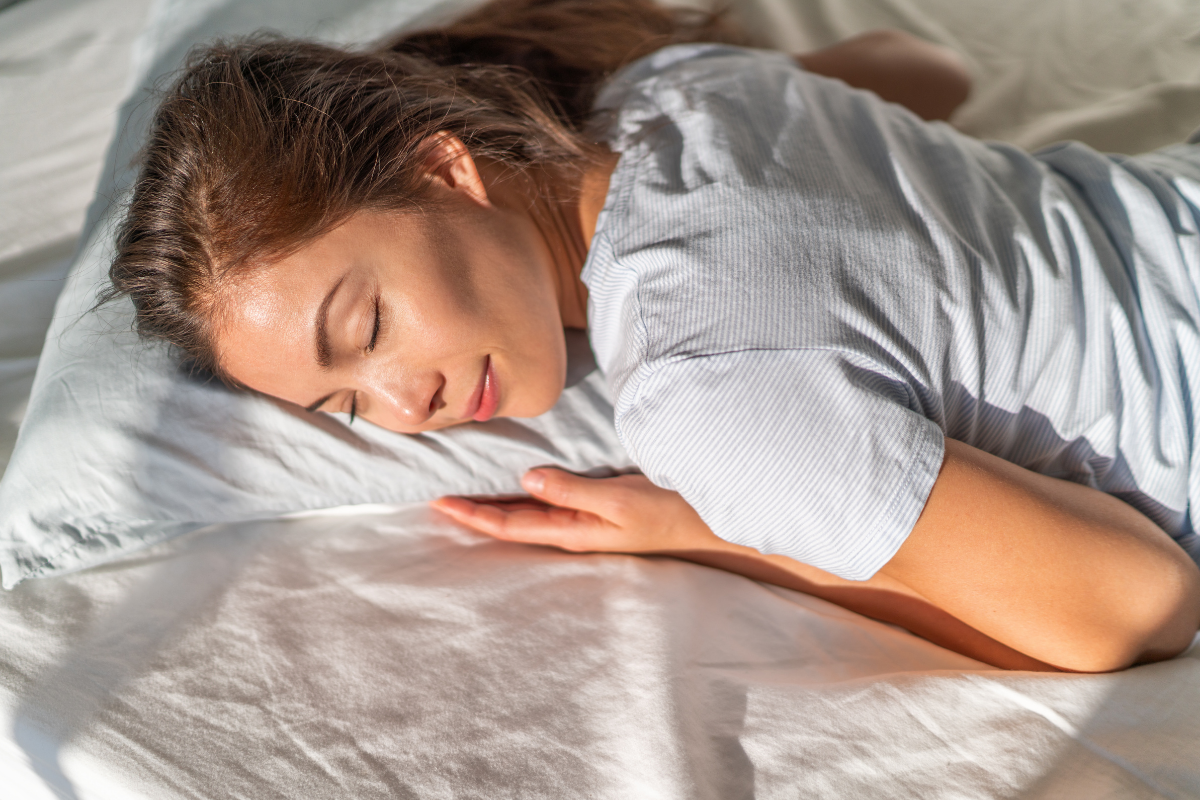
Quality sleep is essential for restoring your energy and maintaining your overall health. It's during deep sleep and REM sleep that your body and mind undergo essential repairs and rejuvenation.
If you consistently fail to reach these stages, you might feel exhausted the next day, no matter how many hours of sleep you've had.
2. Common Reasons for Feeling Still Tired After 8 Hours of Sleep
Now, let's explore the most common reasons why you might still feel exhausted after a full night sleep:
1. Poor Sleep Quality
It's not just about the quantity of sleep; the quality of sleep matters as well.
Factors such as noise, temperature, or an uncomfortable mattress can disrupt your sleep and leave you feeling tired the next day. Ensuring a comfortable sleep environment is essential to improve your sleep quality.
2. Sleep Disorders
Sleep disorders like sleep apnea, restless legs syndrome, or sleep drunkenness can disrupt your sleep pattern, prevent you from reaching the deep, restorative stages of sleep, and cause you to feel sleepy in the daytime.
If you suspect you have a sleep disorder, consulting a sleep specialist is advisable.
3. Inadequate Sleep Duration and How Much Sleep is Enough?
While it's often recommended that adults get around eight hours a night, the actual amount of sleep needed can vary from person to person.
Some individuals might feel more refreshed with slightly fewer hours of sleep, while others require more. It's important to listen to your body and adjust your sleep schedule accordingly.
4. Irregular Sleep Schedule
Consistency in your sleep schedule is key to ensuring you get the right amount of sleep and maintain your sleep structure.
Going to bed and waking up at the same time each day helps regulate your internal body clock and promotes better sleep.
5. Sleep Debt
Accumulating a sleep debt occurs when you consistently get less sleep than your body needs. It's similar to financial debt; eventually, you need to pay it off.
Even if you get a full eight hours of sleep after a long week of sleep deprivation, you might still feel exhausted.
To resolve sleep debt, it's best to gradually increase your sleep duration and maintain a consistent sleep schedule.
3. How To Improve Your Sleep Quality
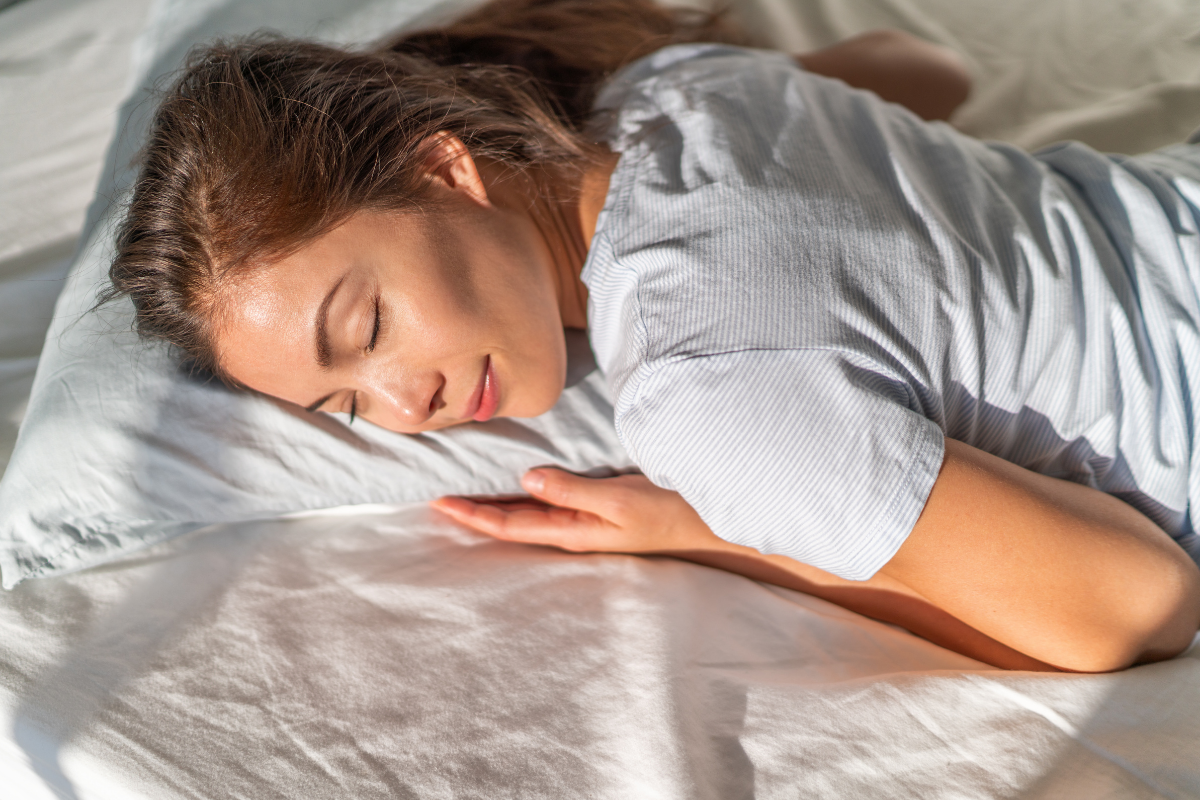
If you're tired even after getting what should be a sufficient eight hours of sleep, it's time to take action to improve your sleep quality and overall well-being.
Here are some practical steps you can take:
1. Assess Your Sleep Hygiene
Review your sleep environment and daily habits. Make sure your bedroom is quiet, dark, and at a comfortable temperature. Avoid screens before bedtime, and establish a relaxing pre-sleep routine to signal your body that it's time to wind down.
2. Maintain a Consistent Sleep Schedule
Try to go to bed and wake up at the same time every day, even on weekends. This consistency helps regulate your body's internal clock, making it easier to fall asleep and wake up feeling refreshed.
3. Seek Advice from a Sleep Specialist
If you suspect you have a sleep disorder, consult a sleep specialist. They can diagnose and treat disorders like sleep apnea, restless legs syndrome, or sleep drunkenness to improve your sleep quality.
4. Avoid Napping Too Much
While short naps can be beneficial, excessive daytime napping can disrupt your nighttime sleep. If you're consistently tired, it's best to limit daytime naps to ensure a more restful night's sleep.
4. The Role of Sleep Cycles in Feeling Tired
Understanding sleep cycles is essential for addressing the issue of feeling tired despite getting eight hours of sleep.
Each cycle typically lasts around 90 minutes and goes through all the sleep stages, from light sleep to deep sleep and REM sleep. If you wake up during a deep sleep stage, you're more likely to feel groggy and tired.
To wake up feeling refreshed, aim to set your alarm to coincide with the end of a sleep cycle, which is when you're in a lighter sleep stage.

6. Summary and Key Takeaways
In summary, the key to feeling refreshed after a full night's sleep lies in understanding your sleep structure and cycles, maintaining good sleep hygiene, and addressing any sleep disorders that may be affecting your sleep quality.
While the recommended eight hours of sleep is a useful guideline, it's essential to listen to your body's unique sleep needs.
If you're still feeling tired despite getting enough sleep, it's time to take a closer look at your sleeping patterns and habits.
By making the necessary adjustments, you can wake up feeling refreshed and ready to conquer the day, rather than groggy and fatigued.
Remember, everyone's sleep needs are different, so finding the right balance for you is key to a good night's sleep.
Key Takeaways
Feeling tired after eight hours of sleep can result from poor sleep quality, sleep disorders, inadequate sleep duration, irregular sleep schedules, and sleep debt.
Focus on improving your sleep hygiene by creating a comfortable sleep environment and maintaining a consistent sleep schedule.
Consult a sleep specialist if you suspect a sleep disorder is affecting your sleep quality.
Be mindful of your sleep cycles and aim to wake up at the end of a cycle for a more refreshed start to your day.
Now that you're armed with insights on how to combat that persistent grogginess, it's time to put these tips into practice and enjoy the benefits of quality sleep. Say goodbye to still feeling tired after a full night's sleep and hello to a well-rested and energized you.

Author
Mehmet Eren Aksu, MD.
Mehmet Eren Aksu is a medical doctor at Ege University in Turkey. He has graduated from the Faculty Of Medicine at Ege University. His purpose in establishing the Healthy Bodies 101 blog and starting to write here is to inform the public about health and medicine from the right source and to convey his expertise to everyday people.
Subscribe now.
Sign up for our newsletter to get the most interesting stories of the day straight to your inbox before everyone else
ABOUT
Join us as we explore the path to well-being, one step at a time. Your journey to a healthier body starts here."