
Why Do My Muscles Look Smaller After Working Out? [SOLVED]
If you're someone who loves lifting weights and working hard in the gym, the last thing you want to see is your muscles getting smaller. After all, your dedication to strength training is geared toward building bigger and stronger muscles.
But there might be instances when your muscles look smaller, and you wonder why it's happening. Is it possible for muscles to shrink?
In this article, we will delve into the science behind why muscles can appear smaller generally and also after the workout, what causes it, and how to prevent it. We'll also answer some frequently asked questions on the topic.
So, let's get started!
Understanding Why Muscles Look Smaller
Muscles Look Smaller When Overtrained
One common reason why muscles may look smaller is overtraining. Overtraining occurs when you push your body beyond its capacity to recover. This can happen when you lift weights too frequently without giving your muscles enough time to recover. When overtraining takes place, it can lead to a state of catabolism, where muscle tissues are broken down. As a result, your muscles might appear smaller (atrophy).
The Role of Muscle Loss in Shrinkage
Muscle loss is another factor that can make your muscles look smaller. This happens when your muscle fibers decrease in size and strength. It can be caused by various factors, including a lack of exercise, aging, or not eating enough. When muscle loss occurs, it can significantly affect the size and appearance of your muscles.
The Importance of Rest Days
Rest days are essential for muscle recovery and growth. Not allowing enough time between your workouts can lead to muscle shrinkage. By giving your muscles time to recover and grow, you can prevent them from looking smaller. Waiting at least 48 hours between strength-training sessions can help reduce the risk of overtraining and ensure that your muscles have the opportunity to recover and rebuild.
Managing Stress to Maintain Muscle Size
Stress can have a significant impact on your muscle size. High stress levels can lead to an increase in the hormone cortisol, which can contribute to muscle breakdown. Endeavor to keep your cortisol levels to a minimum by managing your stress levels and practicing relaxation techniques and breathing exercises. This will not only benefit your mental well-being but also help preserve your muscle size.
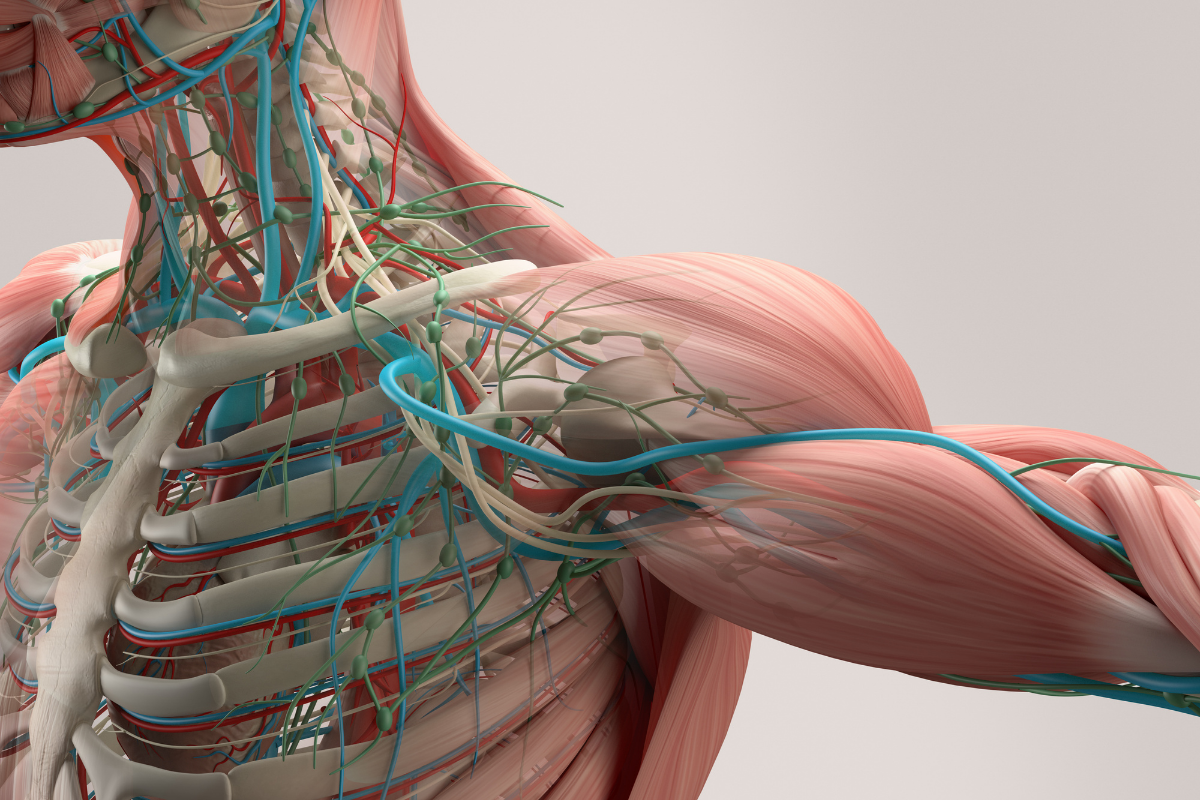
Why do muscles look smaller after working out?
It's not uncommon to notice that your muscles appear smaller after a rigorous workout. This phenomenon can be attributed to several factors:
Temporary Muscle Contraction: After an intense workout, your muscles may temporarily contract due to fatigue and the depletion of glycogen stores. This contraction can cause your muscles to appear smaller immediately after exercise. It's essential to understand that this temporary shrinkage is not indicative of muscle loss; it's merely a natural response to the stress placed on your muscles during the workout.
Dehydration: Exercise often leads to dehydration, which can affect the volume of water in your muscle cells. When your body is dehydrated, muscle cells may appear less voluminous, contributing to the perception of smaller muscles. Staying adequately hydrated before, during, and after your workout can help mitigate this effect.
Inflammation and Swelling: Intense workouts can lead to microscopic damage to muscle fibers, resulting in inflammation and swelling. While this is part of the muscle repair and growth process, it can temporarily obscure the definition and size of your muscles. This inflammation will subside as your muscles recover, revealing their true size and definition once again.
Glycogen Depletion: During high-intensity exercise, your body utilizes stored glycogen as a primary energy source. Glycogen is stored in muscle cells, bound to water. When you deplete glycogen stores during a workout, the associated water is released. This can lead to a temporary reduction in muscle size as the water content decreases. Replenishing glycogen through nutrition and hydration post-workout will help muscles regain their fullness.
Common Questions about Muscle Size
1. Can I build muscle without increasing muscle size?
Yes, it's possible to build muscle without a significant increase in muscle size. This often involves training for strength rather than hypertrophy. Strength training focuses on improving the function and performance of your muscles without a significant increase in their size.
2. Is it bad to work out the same muscle groups on consecutive days?
Working out the same muscle groups on consecutive days is generally not recommended. It doesn't allow sufficient time for muscle recovery and growth. To optimize your results and prevent muscle shrinkage, it's better to arrange your workouts to avoid exercising the same muscles on consecutive days.
3. How can I prevent muscle shrinkage as I age?
As you age, there is a natural reduction in muscle mass, a process called sarcopenia. To slow this catabolic process and maintain muscle size, regular bouts of strength training are essential. Strength training can help preserve muscle mass, even as hormone levels naturally decline with age.
4. Can high cortisol levels stop muscle growth completely?
High cortisol levels can hinder muscle growth and may contribute to muscle shrinkage. However, it's essential to note that cortisol is a hormone that serves various functions in the body. While elevated cortisol levels can impede muscle growth, it doesn't necessarily stop it completely.
Summary: Keeping Your Muscles Looking Their Best
In summary, there are several factors that can make your muscles look smaller. Overtraining, muscle loss, lack of rest, and stress are all potential contributors to this issue.
To maintain and enhance muscle size, it's essential to strike a balance in your workout routine, allow for adequate recovery, and manage stress levels effectively.
By understanding the science behind muscle size and following best practices, you can ensure that your muscles continue to look their best and support your overall physical fitness.
Remember these key points:
Avoid overtraining by giving your muscles sufficient time to recover.
Incorporate rest days into your workout routine to allow for muscle growth.
Manage stress levels and practice relaxation techniques to keep cortisol levels in check.
Strength training is crucial to preserving muscle mass, especially as you age.
With this knowledge and a commitment to a well-balanced fitness routine, you can maintain your muscle size and continue to make progress in your fitness journey.
Don't let the fear of muscle shrinkage deter you from your goals; instead, use this information to your advantage and keep your muscles looking their best.

Author
Mehmet Eren Aksu, MD.
Mehmet Eren Aksu is a medical doctor at Ege University in Turkey. He has graduated from the Faculty Of Medicine at Ege University. His purpose in establishing the Healthy Bodies 101 blog and starting to write here is to inform the public about health and medicine from the right source and to convey his expertise to everyday people.
Subscribe now.
Sign up for our newsletter to get the most interesting stories of the day straight to your inbox before everyone else
ABOUT
Join us as we explore the path to well-being, one step at a time. Your journey to a healthier body starts here."