
Why Do We Sneeze? HB101 Explains
Have you ever wondered why people sneeze? That sudden, uncontrollable burst of air and sound that propels droplets from your nose and mouth is a universal experience.
While sneezing might be commonplace, the underlying mechanisms and reasons behind it are far from ordinary.
In this exploration of the science and mysteries of sneezing, we'll delve into the intricate web of biological responses and environmental triggers that lead to this familiar reflex. From allergies to colds, and photic sneezes to hygiene practices, we'll uncover the fascinating world of sneezing and what happens in your body when you do.
The Physiology of a Sneeze
Before we dive into the reasons behind sneezing, it's important to understand the mechanics of a sneeze.
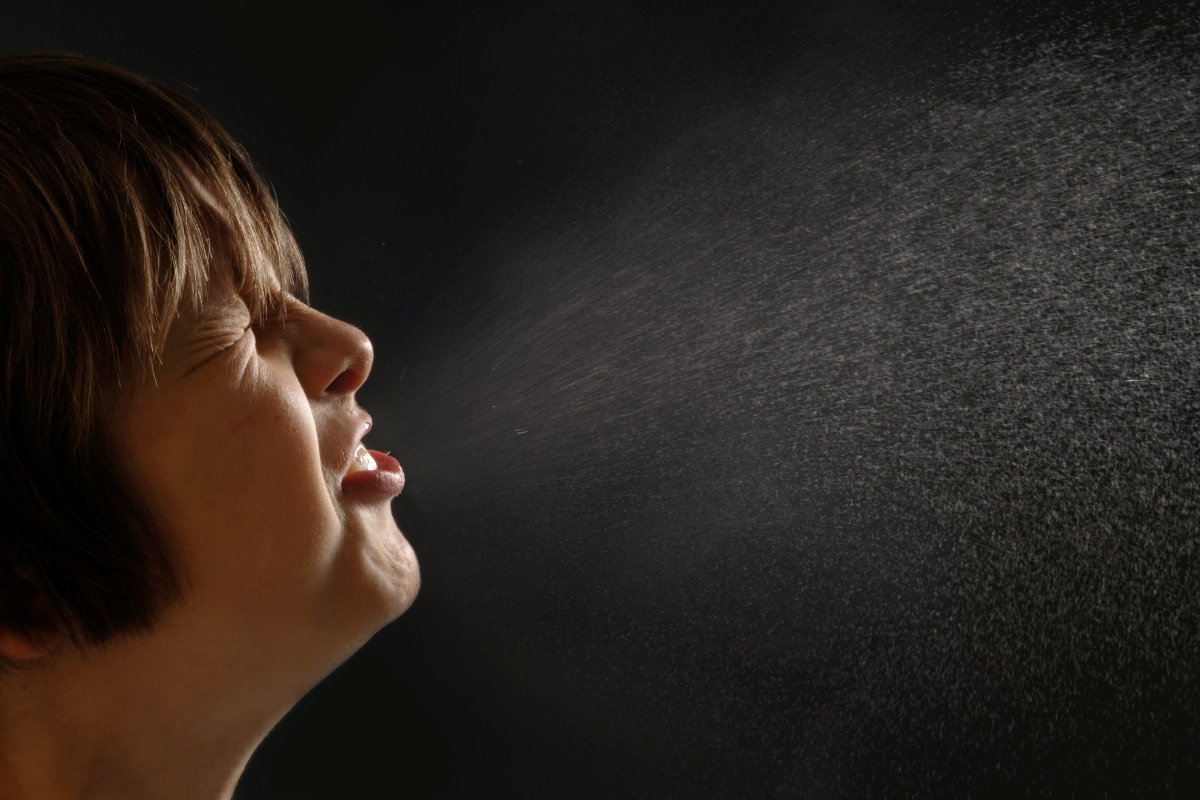
A sneeze is a sudden, involuntary reflex that occurs when your body needs to expel irritants from the nasal passages and the throat. It's a powerful process that can propel air and droplets containing mucous and potential germs at speeds of up to 100 miles per hour!
Sneezing often begins with the detection of an irritant stimulation, which can be anything from pollen to pet dander or even a common cold virus. These irritants trigger the body's defense mechanism to clear the nasal passages and throat of any potential harm.
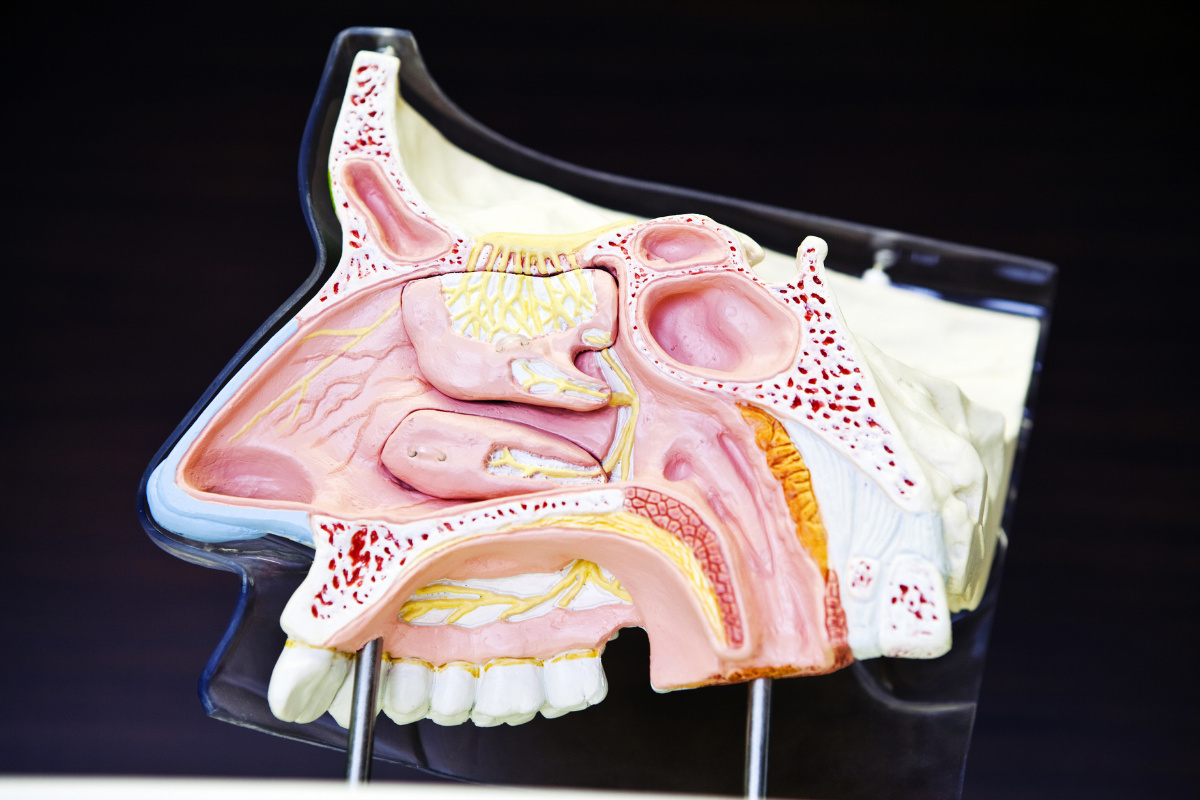
This reflex is primarily initiated by the trigeminal nerve in the nose, which relays a signal to the brain when an irritant is detected. It basically tells your brain "We have a stranger here".
Once your brain receives the signal, it sends messages to various muscle groups, including those in your chest and throat, to prepare for the burst of air. The pressure builds up behind the irritant, and then, with remarkable force, the air is expelled from your nose and mouth. This process clears the irritant and anything else that might be present in your nasal passages, such as mucus, out of your system.
Allergies and the Sneeze Reflex
Allergies are a common cause of sneezing. When an allergen, like pollen, dust, or pet dander, enters your nose, it can lead to an allergic response. The immune system perceives these allergens as a threat and releases chemicals such as histamine or leukotrienes. These chemicals trigger inflammation, which leads to symptoms like a runny nose and sneezing. (Antihistaminics, Leukotrienes Receptor Antagonists can play a huge role in preventing this response from the immune system.)
Histamine, in particular, plays a significant role in causing sneezing. It's responsible for increasing blood pressure behind the irritant and the constriction of the muscles surrounding the nasal passages. These actions work in tandem to expel the irritant more effectively.
Suppose you've ever wondered why sneezing is often associated with seasonal allergies (allergic rhinitis). In that case, it's because allergens like pollen are more prevalent in the environment during certain times of the year. This heightened exposure can lead to more frequent sneezing episodes.
Sneezing as a Symptom of a Cold
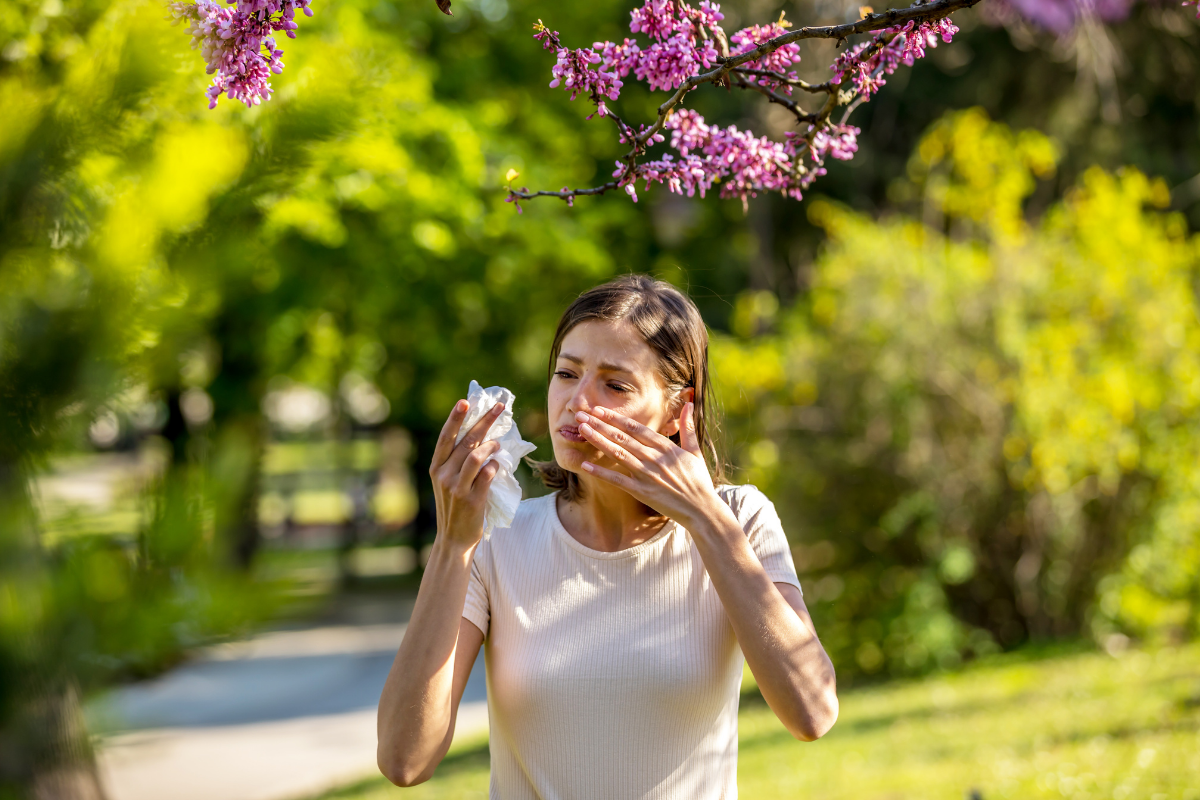
Sneezing is also a common symptom of the common cold. When a cold virus enters your body, it typically infects the respiratory system, leading to a variety of symptoms, including a runny nose and sneezing.
Sneezing in this context is the body's way of getting rid of the virus or other irritants, similar to how it responds to allergens.
Cold-induced sneezing is part of the body's defense against respiratory infections. When the virus enters the nose and throat, the immune system sends signals to initiate the sneeze reflex, expelling the virus-containing droplets and contaminants.
Sneezing not only helps protect you from getting sicker but also prevents the virus from spreading to others through these droplets.
Photic Sneezing: When Light Makes You Sneeze
Ever noticed that some people naturally close their eyes when they sneeze?
This behavior is often associated with the photic sneeze reflex, a phenomenon where bright light triggers sneezing. While this reflex isn't universal, it's estimated that about one in four people experiences it.
The exact cause of the photic sneeze reflex isn't fully understood, but it's thought to involve a cross-wiring or overlap of the nerves in the brain. When individuals with this reflex are exposed to sudden bright light, such as sunlight, their brain misinterprets the signal and initiates a sneeze response.
While sneezing due to bright light might seem harmless, it's important to remember that keeping your eyes open while sneezing can lead to unpleasant consequences.
Some say that sneezing with your eyes open can cause your eyeballs to pop out of your head – a notion more rooted in myth than reality. Your eyes are firmly planted in their sockets, and the force generated during a sneeze isn't strong enough to dislodge them.
The Role of Sneezing in Hygiene
Sneezing and coughing are both vital components of the body's defense mechanism against harmful particles and contaminants. However, when you sneeze, it's essential to practice good sneeze hygiene to prevent the spread of germs.
This is particularly relevant in the context of the COVID-19 pandemic.
When you sneeze, it's crucial to cover your nose and mouth with a tissue, the inside of your elbow, or your hands.
This helps contain the droplets produced during a sneeze, reducing the risk of spreading diseases to others. Washing your hands thoroughly after sneezing is also essential to eliminate any potential pathogens that may have been expelled during the sneeze.
Sneezing Isn't Always Harmless
While sneezing is typically a benign reflex that helps protect your body, there are instances where it could be a sign of a more serious problem. If you find yourself sneezing excessively, it might be a symptom of an underlying condition.
Chronic sneezing, especially when accompanied by other symptoms like sinus drainage, can be indicative of allergic rhinitis, commonly known as hay fever. In these cases, it's advisable to consult a healthcare professional for proper diagnosis and treatment.
Moreover, there's a rare condition known as "autosomal dominant compelling helio-ophthalmic outburst" or ACHOO syndrome. This condition is characterized by the uncontrollable urge to sneeze when exposed to bright light. Although it's typically not harmful, it can be bothersome for those who experience it. ACHOO syndrome is believed to be hereditary and is caused by a genetic mutation.
Sneezing in the Animal Kingdom
Humans aren't the only creatures that sneeze. Many animals also have sneeze reflexes that serve similar purposes.
For example, iguanas sneeze to remove salt from their bodies, a process that helps them survive in their arid habitats. In the animal kingdom, sneezing is often a vital part of their biological processes, ensuring their survival and well-being.
In Summary
Sneezing is a fascinating and essential bodily reflex that serves as the first line of defense against irritants and potential threats to our respiratory health. Whether it's triggered by allergies, a common cold, or a photic sneeze reflex, sneezing plays a crucial role in maintaining our well-being.
Understanding the science behind sneezing can help us appreciate this involuntary action that keeps our nasal passages and throat clear of irritants.
So, the next time you sneeze, you'll know that your body is hard at work, protecting you from harm and keeping you healthy. Remember to practice good sneeze hygiene to ensure the well-being of both yourself and those around you.

Author
Mehmet Eren Aksu, MD.
Mehmet Eren Aksu is a medical doctor at Ege University in Turkey. He has graduated from the Faculty Of Medicine at Ege University. His purpose in establishing the Healthy Bodies 101 blog and starting to write here is to inform the public about health and medicine from the right source and to convey his expertise to everyday people.
Subscribe now.
Sign up for our newsletter to get the most interesting stories of the day straight to your inbox before everyone else
ABOUT
Join us as we explore the path to well-being, one step at a time. Your journey to a healthier body starts here."