
Why Does Creatinine Increase After Kidney Transplant? Renal Transplantation Rejection Types
Why Does Creatinine Increase After Kidney Transplant? Renal Transplantation Rejection Types
"Let's say you are a kidney transplant patient and you notice that your creatinine level is high during one of your routine check-ups. You've seen numbers you don't understand, such as 1.7, 1.9, 2.2, 2.5. Should you be worried? Stay with us and let's take a look at this."
In the world of medicine, kidney transplantation is a life-changing procedure for individuals suffering from end-stage renal disease.
This miraculous operation can offer patients a renewed lease on life, allowing them to regain their lost renal function.
However, even after a successful kidney transplant, patients and healthcare providers may encounter a concerning phenomenon: the increase in serum creatinine levels.
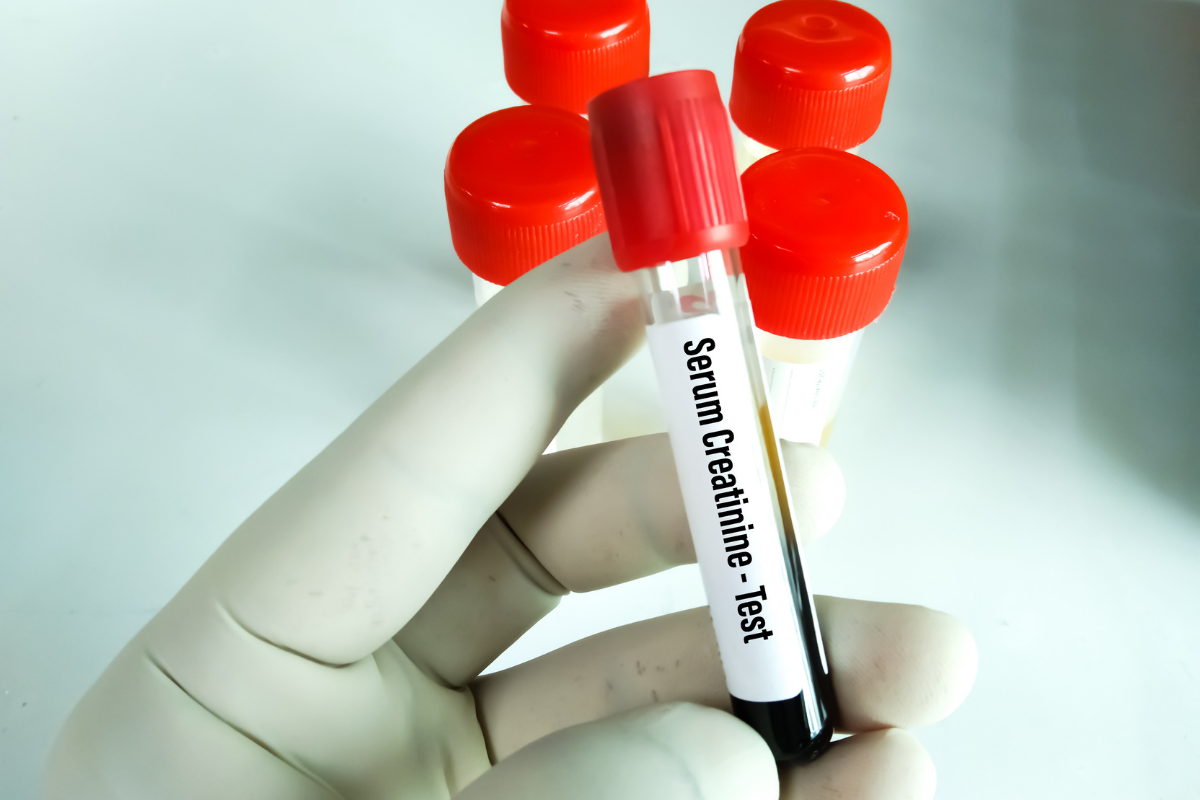
Creatinine, a waste product excreted by the kidneys, is often used as a marker of kidney function. So, why does creatinine increase after a renal transplant, and what does it mean for the patient's overall health?
In this article, we'll explore this intriguing topic, shedding light on the various factors and conditions that can lead to elevated creatinine levels post-transplant.
1. Understanding the Basics of Kidney Transplantation
Before delving into the reasons behind the increase in creatinine levels after a kidney transplant, let's first establish a foundational understanding of kidney transplantation.
What is Kidney Transplantation?
Kidney transplantation (or renal transplantation) is a surgical procedure in which a healthy kidney from a living or deceased donor is implanted into a recipient with end-stage renal disease and renal dysfunction.
This procedure is a remarkable solution for patients whose kidneys can no longer adequately filter waste and excess fluids from the blood. It offers them the opportunity to regain kidney function and lead a more normal life.
The Role of Creatinine in Monitoring Renal Function
Creatinine is a waste product produced by muscle metabolism and excreted by the kidneys. In the context of renal health, creatinine is used as an essential marker for kidney function. The level of creatinine in the blood can indicate how effectively the kidneys are filtering waste products from the bloodstream. Serum creatinine levels can also vary based on factors such as a person's muscle mass, age, weight, and gender.
Typically, lower levels of creatinine in the blood are associated with healthy kidney function, while elevated levels can suggest impaired renal function.
Now that we've laid the groundwork, let's explore the various factors that can contribute to an increase in creatinine levels following a kidney transplant.
2. Factors Leading to Increased Creatinine Levels After Renal Transplant
1. Acute Rejection
One of the primary concerns after kidney transplantation is the potential for acute rejection. Acute renal transplant rejection occurs when the recipient's immune system recognizes the transplanted kidney as foreign tissue and mounts an immune response against it. This immune reaction can lead to damage in the renal allograft, affecting its function. As a result, creatinine levels may rise.
2. Ischemia-Reperfusion Injury
During the transplantation procedure, the kidney experiences a period of ischemia (lack of blood flow) followed by reperfusion (restoration of blood flow). Ischemia-reperfusion injury can cause damage to the renal graft, leading to temporary rising creatinine levels. This phenomenon is often referred to as "delayed graft function."
3. Acute Kidney Injury (AKI)
Acute Kidney Injury, also known as AKI, is a sudden and often reversible loss of kidney function. It can be a result of various factors, such as infection, medication toxicity, or hypotension. AKI can cause a significant increase in serum creatinine levels, and it may occur in the post-transplant period.
4. BK Virus Nephropathy
The BK virus (Human polyomavirus 1) is a common virus that remains dormant in most people. However, in kidney transplant recipients, the immune system is often suppressed to prevent rejection (immunosuppression). This can lead to reactivation of the BK virus, which can damage the renal allograft, resulting in elevated creatinine levels and kidney dysfunction.
5. Chronic Allograft Rejection
While acute rejection is an immediate concern, the risk of chronic allograft rejection looms in the long term. Chronic rejection involves a gradual decline in renal function due to ongoing immune-mediated damage to the transplant. As this process unfolds, creatinine levels may steadily increase.
6. Drug-Induced Nephrotoxicity
Immunosuppressive medications are crucial for preventing rejection post-transplant. However, some of these drugs can have nephrotoxic (kidney-damaging) effects. When the balance of immunosuppressive therapy is not optimized, it can lead to an increase in creatinine levels.
7. Recurrent Disease
In some cases, the underlying condition that caused the initial kidney failure may recur in the transplanted kidney. For example, if a patient's kidney failure was due to a genetic disorder or a specific autoimmune condition, the transplanted kidney could be affected by the same disease, leading to an increase in creatinine.
8. Vascular Complications
Vascular complications, such as thrombosis or stenosis of blood vessels supplying the transplanted kidney, can impair blood flow to the organ. This reduced blood flow can lead to ischemic injury and a subsequent rise in creatinine levels.
9. Influence of Medication Levels
Maintaining the right balance of immunosuppressive medications is essential in kidney transplantation. If the levels of these medications are too low, the risk of rejection increases. On the other hand, if the levels are too high, they can lead to side effects, including kidney damage and increased creatinine.
10. Rejection Episode and Subsequent Treatment
Sometimes, even if a rejection episode occurs, it can be successfully treated with changes in immunosuppressive therapy and other interventions. The period immediately following a rejection episode can lead to fluctuations in creatinine levels as the treatment progresses.
3. Diagnosis and Management (Post-transplant)
The rise in creatinine levels after kidney transplantation is a concerning but common occurrence. Monitoring and managing these levels are crucial for ensuring the long-term success of the transplanted kidney.
Diagnosis
The primary method for diagnosing elevated creatinine levels and identifying the underlying cause is through regular blood tests.
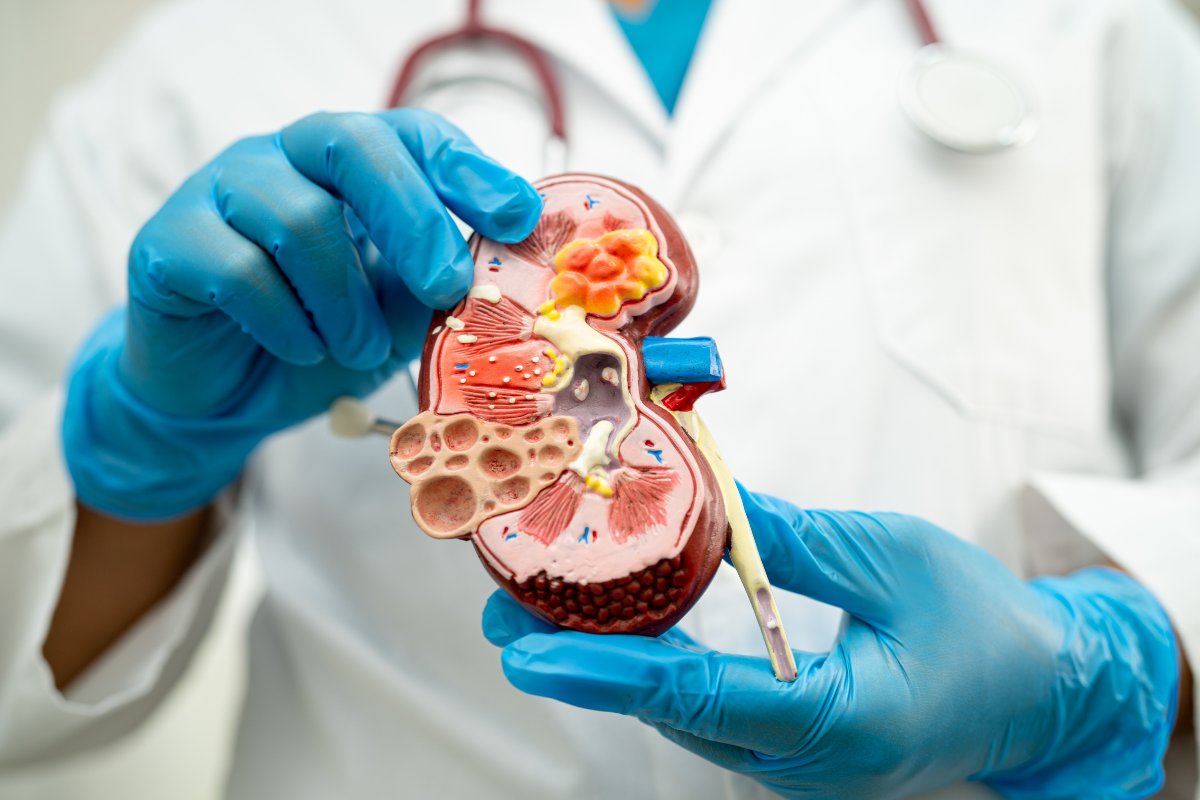
Additionally, a renal biopsy may be performed to assess the condition of the transplanted kidney tissue. This biopsy can help differentiate between various causes of elevated creatinine, such as acute rejection, drug-induced nephrotoxicity, or recurrent disease.
Treatment and Management
The approach to managing increased creatinine levels post-transplant depends on the underlying cause.
Treatment may involve adjustments to immunosuppressive medications, addressing vascular complications, or treating specific infections. It's essential for transplant recipients to work closely with their healthcare team (in most cases nephrologists) to address the issue promptly and effectively.
In some cases, the rise in creatinine levels may be a transient or reversible phenomenon. However, persistent and unexplained increases in creatinine may signify more significant issues, such as chronic allograft rejection or drug-induced nephrotoxicity.
4. Patient Outcomes and Long-Term Considerations
Understanding the reasons behind an increase in creatinine levels after a renal transplant is crucial for both healthcare providers and transplant recipients. It allows for proactive monitoring and early intervention to ensure the best possible outcomes for the patient.
The Influence of Creatinine Levels on Long-Term Kidney Graft Function
While elevated creatinine levels can be concerning, they don't always equate to graft failure. Some patients may experience a temporary rise in creatinine that later stabilizes. However, persistent and progressive increases in creatinine levels can be an ominous sign, potentially leading to graft failure.
Impact on Quality of Life
For kidney transplant recipients, the rise in creatinine levels can be emotionally and physically challenging. It may lead to the need for more frequent medical visits and adjustments to medication regimens.
Additionally, it can be a source of anxiety and uncertainty about the long-term health of the transplanted kidney.
Patient Education and Empowerment
Patient education is a crucial component of post-transplant care. Transplant recipients should be well-informed about the potential causes of increased creatinine levels and the importance of adhering to their medication regimen.
This knowledge empowers them to actively participate in their healthcare and communicate effectively with their healthcare team.
5. Key Takeaways
Various factors, including acute rejection, ischemia-reperfusion injury, acute kidney injury, BK nephropathy, chronic allograft rejection, drug-induced nephrotoxicity, recurrent disease, vascular complications, medication levels, and rejection episodes, can contribute to elevated creatinine levels.
Early diagnosis and effective management are crucial to ensure the long-term success of the transplanted kidney and the overall well-being of the patient.
Transplant recipients should be well-informed about the potential causes of increased creatinine levels and the importance of adhering to their medication regimen, empowering them to actively participate in their healthcare and communicate effectively with their healthcare team.
By keeping these key takeaways in mind, both healthcare providers and transplant recipients can work together to achieve the best possible outcomes and quality of life after kidney transplantation.

Author
Mehmet Eren Aksu, MD.
Mehmet Eren Aksu is a medical doctor at Ege University in Turkey. He has graduated from the Faculty Of Medicine at Ege University. His purpose in establishing the Healthy Bodies 101 blog and starting to write here is to inform the public about health and medicine from the right source and to convey his expertise to everyday people.
Subscribe now.
Sign up for our newsletter to get the most interesting stories of the day straight to your inbox before everyone else
ABOUT
Join us as we explore the path to well-being, one step at a time. Your journey to a healthier body starts here."